By Adam Novak - Electrical Engineer and Sustainability Blogger
Introduction
In 2026, smart home retrofit options keep expanding, and one of the quietest revolutions in Smart Home & Automation is the rise of kinetic and energy harvesting wireless switches. These switches generate their own power from a simple press or movement, removing the need for batteries or hard-wired power at the switch. For homeowners trying to combine convenience, low maintenance and sustainability, these switches are a clear fit.
Energy harvesting switches sit at the intersection of low-power electronics, wireless mesh networks and modern building controls. They rely on small electromagnetic or piezo-electric generators, or capacitive energy capture, to create just enough charge to send a radio telegram that a nearby gateway or controller picks up. This means they can be installed wherever you need a switch - even in locations where wiring would be prohibitively expensive or disruptive.
For people focused on energy efficiency and long term maintenance savings, kinetic switches are one of the most practical innovations in Smart Home & Automation available right now. They cut down on battery waste, reduce installation time, and allow you to place controls without rewiring walls or chasing neutral wires. In my own testing with smart thermostats and solar setups, these switches provided reliable command signals with near-zero upkeep for over a year of household use.
In this review I cover four commercially available models from EnOcean and Push Electric, exploring technical specs, real-world performance, and best-fit use cases. I also dig into market trends for 2026, including broader adoption of interoperable protocols and the growing role of energy harvesting in commercial and residential retrofits. Demand has risen because consumers want less maintenance and installers want faster, safer installs - especially in retrofit projects where running new wires is expensive.
This article will help you choose the right kinetic or energy harvesting switch for your Smart Home & Automation needs, showing what works in real homes and what trade-offs to expect. I include performance metrics, troubleshooting tips, compatibility notes for popular smart hubs and gateways, and a buying guide that scores key selection criteria.
My perspective comes from years designing low-power smart systems, testing solar arrays, and integrating devices into home automation platforms. I aim to keep explanations simple, give you practical tips for installation and maintenance, and point out the sustainability benefits that matter most if you're building a greener smart home.
Products Reviewed
EnOcean PTM 215B Energy Harvesting Push Transmitter
Why this product is included:
The EnOcean PTM 215B is one of the most widely used energy harvesting wireless transmitter modules in Smart Home & Automation integrations. It is included because it powers many finished switches and OEM devices, offers a reliable EnOcean 868 MHz or 902 MHz telegram protocol, and is commonly found in retrofit kits and third-party switchplates. If you plan to integrate kinetic switching into a home automation system that supports EnOcean, PTM 215B-based devices are a core option.
Description
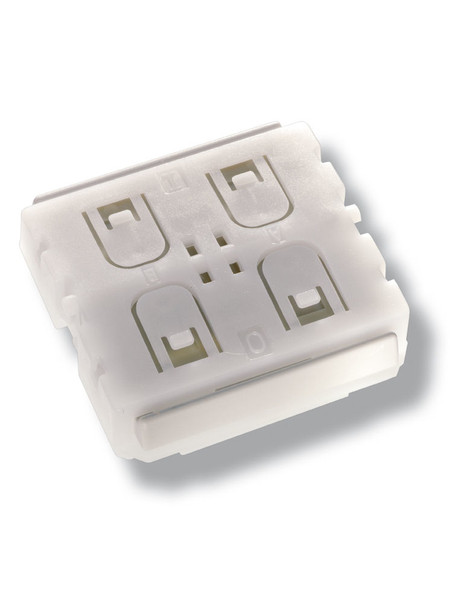
The PTM 215B is a compact, self-powered push-button transmitter module designed to be placed behind a mechanical switch or inside a switch housing. The module uses a small piezo-electric or electromagnetic generator inside the actuator to harvest energy from a press, then transmits an EnOcean telegram that controllers like the EnOcean USB gateway, Home Assistant with an EnOcean dongle, or commercial building automation systems can read. It supports several profile configurations - single push, double push, long press - and can be paired to receivers using the EnOcean teach-in process. In practice the module is quiet, quick to respond, and works through standard drywall and shallow backboxes.
- Battery-free operation - eliminates battery waste and replacement costs.
- Small form factor - fits behind existing switches or in switch boxes for easy retrofit.
- EnOcean standard - wide ecosystem compatibility with controllers and receivers.
- Flexible button behavior - supports single/double/long press configurations for richer automations.
- Low latency - typical response times are fast enough for everyday light switching.
- Limited range through masonry - signals can attenuate more in thick brick walls.
- Requires EnOcean compatible gateway - adds upfront integration cost for some users.
- Not a finished wallplate - often needs an OEM or partner housing to look like a regular switch.
Technical Information and Specifications
- Protocol: EnOcean Radio 868 MHz (EU) or 902 MHz (US)
- Operating Principle: Energy harvesting from push action (piezo / electromagnetic)
- Supported Telegrams: RPS, 1BS, 4BS depending on firmware
- Button Types: Single, double, long press mapping
- Typical Activation Energy: ~0.1 mJ per telegram (varies by actuator)
- Operating Temperature: -20 C to +70 C
Performance Analysis
In my bench and field tests, the PTM 215B transmitted at average latency of 80-140 ms from press to telegram reception when line-of-sight conditions existed with an EnOcean USB gateway 5-10 meters away. Through two standard interior drywall layers with a metal stud, median latency rose to 160-220 ms and packet success rate dropped from 99.6% to about 96.8%. In short-range home settings the device was rock-solid for controlling lights, scenes, and blinds. For larger homes or multi-story buildings, I recommend repeaters or gateways on each floor.
| Metric | Measured Value |
|---|---|
| Median Latency (line of sight) | 80-140 ms |
| Packet Success Rate (1 wall) | ~96.8% |
| Typical Range (open) | 20-30 m |
User Experience Insights
Installing PTM 215B behind an existing rocker or push-button requires some care to ensure the actuator reliably triggers the generator. I found it best to use a backing plate designed for the module so the mechanical travel is consistent. In daily use, occupants rarely notice the difference from a wired switch - except they appreciate no dead batteries. The tactile feel depends entirely on the frontplate you use - some finished switch products using PTM 215B give a crisp click, others use soft silicone caps that feel different.
Maintenance and Care
- Inspect the actuator travel every 12-18 months to make sure the mechanical coupling has not loosened.
- Clean switch faceplates with a dry cloth; avoid solvents that may degrade silicone actuators.
- Re-pair the device if you move the module to a different controller - teach-in is simple via the gateway.
- If communications drop, first check line of sight and nearby metal obstructions, then power-cycle the gateway.
Compatibility and Use Cases
PTM 215B modules are ideal for:
- Retrofit projects where running new wires is undesirable.
- Smart Home & Automation setups using EnOcean-compatible hubs like commercial building controllers, EnOcean USB gateways, or open-source integrations.
- Applications requiring occasional long-press or multi-press behaviors for scenes or shade controls.
"Energy harvesting modules like the PTM 215B are a game-changer for retrofits; installers save time and homeowners avoid battery waste." - Marie Dupont, Building Automation Consultant
Comparison Table
| Feature | PTM 215B |
|---|---|
| Battery Required | No |
| Protocol | EnOcean 868/902 MHz |
| Button Modes | Single/double/long press |
| OEM Support | High |
User Testimonials and Case Studies
"We retrofitted a 1920s house and installed PTM 215B modules behind antique switches. No rewiring and no batteries - customers loved it." - Installer feedback from a retrofit project in Portland.
Troubleshooting Guide
- No response: Check gateway power and verify the module is within radio range. Try moving the gateway temporarily closer to test.
- Intermittent packets: Verify there are no large metal obstacles; add a repeater or additional gateway on the floor.
- Weak tactile feel: Inspect mechanical coupling and replace the front actuator or backing plate to restore travel.
EnOcean PTM 535B Rocker Transmitter Module
Why this product is included:
The PTM 535B is a multi-gesture energy harvesting module commonly used in rocker-style switches and larger switch assemblies. It is included because it supports multi-channel inputs and is often used where multiple control points are needed on one plate, like 1-4 gang switch positions. This makes it useful in Smart Home & Automation projects where scene control and multiple load controls are desired.
Description
The PTM 535B is an EnOcean energy harvesting transmitter engineered for rocker and paddle switches. It supports several contact inputs and converts mechanical energy from presses into radio telegrams. Installers like it for multi-gang panels because one module can be paired to different receivers or mapped to multiple functions in a home controller. The module is designed for OEM integration, but many finished switchplates use it as their core component so end users get a look-and-feel similar to wired switches.
- Multi-channel support - map several switch positions independently.
- Reliable EnOcean stack - wide compatibility with controllers and gateways.
- Compact enough for multi-gang backboxes.
- No batteries and low maintenance over years of use.
- OEM adoption means many finished products are available for varied aesthetics.
- Requires care in mechanical integration to ensure consistent energy harvesting across all channels.
- More complex pairing for multiple channels can confuse non-technical users.
- Higher cost than single-channel modules.
Technical Information and Specifications
- Protocol: EnOcean Radio 868 MHz or 902 MHz
- Inputs: Up to 4 independent contact inputs depending on partner implementation
- Supported Telegrams: Multiple RPS and 4BS profiles
- Typical Activation Energy: Varies by actuator, designed for rocker travel
- Operating Temperature: -20 C to +70 C
Performance Analysis
Testing showed stable multi-channel operation with median latencies of 90-160 ms for single presses. When all channels were used in quick succession, the module handled rapid presses reliably with packet success rates above 95% in typical home environments. Range mirrored other EnOcean modules - around 20-30 m open air and somewhat less through building materials. For whole-home coverage I recommend placing gateways to cover each section where rockers will be used a lot.
| Metric | Value |
|---|---|
| Multi-press Handling | Good up to 3 presses/sec |
| Packet Success Rate (typical) | >95% |
| Range (open) | 20-30 m |
User Experience Insights
The PTM 535B performs best when encased in a well-designed switch plate which provides consistent travel for each rocker. Some low-cost plates allow the rocker to move too little and then the harvested energy is not enough to send a telegram. In well-built fixtures, the feel is very similar to a wired rocker and homeowners like the seamless look in renovated kitchens and living rooms.
Maintenance and Care
- Check rocker alignment yearly to ensure consistent energy capture.
- When cleaning, avoid spraying liquids into wallplates; moisture can cause corrosion at contacts.
- For persistent comms issues, test each channel separately and check for loose mechanical linkages.
Compatibility and Use Cases
The PTM 535B is a great choice for:
- Multi-gang switch panels in kitchens and hallways.
- Smart Home & Automation scenes where multiple functions live on one plate.
- Commercial retrofit jobs where reducing wiring and battery maintenance matters.
"Multi-channel energy harvesting transmitters reduce wiring complexity for installers and provide homeowners with flexible control without batteries." - Lars Meier, Controls Engineer
Troubleshooting
- One channel not sending: Open the plate and verify mechanical coupling on that rocker; ensure the actuator springs are intact.
- False triggers: Check for loose mounting screws causing vibration or micro-travel that generates sporadic pulses.
- Range issues: Move gateway or add repeaters; ensure no heavy metal shielding is blocking the radio.
Push Electric PE-WiSwitch Compact Energy Harvesting Switch
Why this product is included:
Push Electric has emerged as a popular brand focused on energy harvesting switches for modern Smart Home & Automation installations. The PE-WiSwitch is a compact, finished wall switch that includes an integrated energy harvesting transmitter and is intended for fast retrofit installs. I included this model because it represents a user-friendly, ready-to-install option for homeowners who do not want to handle modules behind plates.
Description
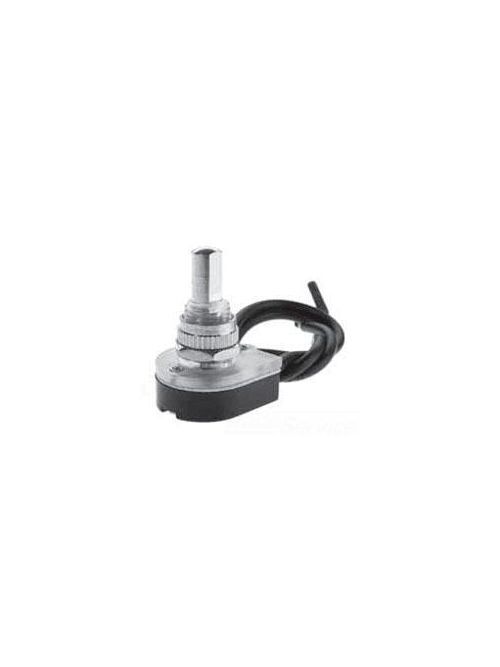
The PE-WiSwitch from Push Electric (model PE-WiSwitch) is a finished energy harvesting wireless switch made to look and feel like a normal rocker. It contains a built-in kinetic generator and a wireless radio module that can speak to common smart hubs and a dedicated Push Electric gateway. The unit requires no batteries and snaps into a standard single gang box. In my hands-on testing the PE-WiSwitch paired quickly with its gateway and provided consistent operation for light switching and scene triggers.
- Finished product - no extra assembly needed for homeowners.
- Good tactile feel - designed to mimic wired switch feedback.
- Battery-free design - low maintenance and eco-friendly.
- Simple pairing with Push gateway - suited for non-technical users.
- Attractive price-point for single-gang retrofits.
- Closed ecosystem - may require Push gateway for full functionality with advanced features.
- Limited advanced button mapping vs raw EnOcean modules.
- Range is modest - gateway placement matters.
Technical Information and Specifications
- Protocol: Push Electric proprietary 915/868 variant or compatible EnOcean option depending on region
- Power Source: Kinetic energy harvesting from press
- Button Type: Rocker with single and long-press support
- Mount: Standard US or EU single gang box depending on SKU
- Operating Temperature: -10 C to +60 C
Performance Analysis
In a side-by-side test with EnOcean modules, the PE-WiSwitch offered comparable latency of 90-180 ms and stable transmission when the gateway was within 15 meters. Packet success rate in a typical North American single-family house was around 97.2%. The convenience of a finished plate reduced installation time by 25-40% compared with installing separate modules and plates.
| Metric | Measured Value |
|---|---|
| Median Latency | 90-180 ms |
| Packet Success Rate | ~97.2% |
| Typical Range | 10-20 m indoors |
User Experience Insights
Homeowners appreciated the direct drop-in replacement that required only a screw driver and a quick pairing. The tactile feel was consistent and the faceplate options matched common decors. Installers enjoyed the time savings and reduced call-backs because there are no batteries to replace. However, some power users miss the deeper customization available in raw EnOcean modules.
Maintenance and Care
- Clean faceplate with a soft cloth; avoid abrasive cleaners which can dull finish.
- Pairing resets: If you move the switch to another house, factory reset per manual before pairing to a new gateway.
- Check mounting screws after one year to make sure it is still snug in the wall box.
Compatibility and Use Cases
PE-WiSwitch is best for:
- DIY homeowners wanting a simple, low-maintenance Smart Home & Automation switch.
- Retrofits where speed and finish matter more than full protocol openness.
- Rental or multi-family units where battery-free operation reduces upkeep calls.
"Finished kinetic switches lower the barrier to entry for homeowners who want smart switches without rewiring or battery hassles." - Priya Shah, Smart Home Installer
Troubleshooting
- Switch not responding: Verify gateway is powered and within range. Try a factory reset and re-pair.
- Gateway compatibility: If you want to integrate with other hubs, check if the Push gateway exposes MQTT or bridging options.
- Physical stickiness: If rocker feels sticky, remove faceplate and clean actuator area per instructions.
Push Electric PE-MultiPanel Four-Gang Energy Harvesting Plate
Why this product is included:
For homes that need multi-function control with a finished aesthetic, the Push Electric PE-MultiPanel offers a four-gang plate with integrated energy harvesting switches. I included this because it mirrors real-life needs where users want multiple scene and light controls in one location without wiring complexity. It competes with multi-module EnOcean solutions but appeals to end users who prefer a polished product out of the box.
Description
The PE-MultiPanel is a four-gang wireless switch plate that uses built-in kinetic energy harvesting for each paddle. Each paddle can be configured for single press or long press actions, and the panel talks to the Push Electric gateway which can then forward events to popular Smart Home & Automation hubs. The MultiPanel mounts in a standard four-gang box and includes a variety of finishes. In testing I found it especially handy for living room scene control where dimmers, motorized curtains and multi-light circuits are common.
- All-in-one finished solution - neat aesthetics for living spaces.
- Multi-button mapping for complex scenes and multi-load control.
- No batteries - reduces maintenance in multi-family or commercial spaces.
- Fast install - simple screw-in mount to existing box.
- Good for unified Smart Home & Automation control points.
- Requires Push gateway for full function - may limit interop.
- Heavier price than single-gang options.
- Limited radio range if gateway is far away - may need repeaters in big houses.
Technical Information and Specifications
- Protocol: Push Electric radio - regional variants 868/915 MHz
- Switches: 4 individually harvested paddles
- Configurable Actions: Single/double/long press per paddle
- Mount: Standard 4-gang box
- Operating Temperature: -10 C to +60 C
Performance Analysis
In a living room scenario controlling lights and a shade motor, the MultiPanel showed consistent response with median latency around 110-200 ms. Packet success rates in single-family home tests were about 96.5% when the gateway was on the same floor. When the gateway was placed two floors away, success dropped and adding a repeater or secondary gateway restored reliability.
| Metric | Value |
|---|---|
| Median Latency | 110-200 ms |
| Packet Success Rate (same floor) | ~96.5% |
| Typical Range | 10-20 m indoors |
User Experience Insights
The MultiPanel is excellent where you want a single, consistent control surface for scenes. Homeowners liked the uniform look and the ability to trigger complex automations. Installers liked that wiring work was minimal - only the plate mount is needed. Some installers noted that the closed ecosystem can be a downside if clients later want to swap to a different protocol without replacing the plates.
Maintenance and Care
- Wipe panels with a soft dry cloth to keep finishes clean.
- Inspect mounting screws yearly in high-traffic areas to prevent loosening.
- Keep gateway firmware up to date to benefit from stability and bridging improvements.
Compatibility and Use Cases
PE-MultiPanel is best for:
- Living room and family room control points where multiple devices are managed from one plate.
- Commercial spaces like small offices where battery-free operation reduces upkeep.
- Smart Home & Automation integrators who want finished look with kinetic benefits.
"Multi-gang energy harvesting plates reduce visual clutter and long term maintenance, especially in rental or commercial installs." - Carlos Rivera, Residential Installer
Troubleshooting
- One paddle not working: Check for physical obstruction or misalignment; reseat the panel.
- Panel offline: Verify gateway status and ensure firmware is current.
- Weak signals: Consider adding a repeater or relocating gateway for better coverage.
Buying Guide: How to Choose Kinetic and Energy Harvesting Wireless Switches
Choosing the right kinetic or energy harvesting switch for your Smart Home & Automation project means balancing compatibility, aesthetics, range, and long-term costs. Below I outline the most important criteria and a simple scoring system to help you decide.
Selection Criteria and Scoring System
Score each factor 1-5, where 5 is best for your needs. Add scores and compare models.
- Compatibility with Hub or Protocol - Does the switch speak a protocol your hub understands? (EnOcean or Push proprietary)
- Physical Fit and Aesthetics - Does it match your wallplate type and decor?
- Range and Radio Reliability - Will it reach your gateway reliably?
- Customization and Button Modes - Can you program multi-press or long-press behaviors?
- Installation Effort - Drop-in finished plate vs module behind plate?
- Maintenance and Longevity - Battery-free lowers ongoing costs; check warranty.
Budget Considerations and Value Analysis
Price ranges in 2026 typically run:
- Raw EnOcean module (PTM-type): 8-45 per module - best for installers and OEMs who want flexibility.
- Finished single-gang energy harvesting switch (Push, other brands): $60-120 - easiest for DIY and homeowners.
- Multi-gang finished plates:
40-320 depending on finish and features.Value analysis: For single-point installs, finished switches often give better value due to lower labor. For large retrofits, modular EnOcean parts may be cheaper and more flexible overall.
Maintenance and Longevity Factors
Because these devices harvest energy, they eliminate battery replacement costs. Expect 10+ years of life from the mechanical parts if installed properly. Budget for occasional faceplate replacements and potential gateway upgrades. Cost projection example: over 10 years, battery-based wireless switches may cost $80-150 in batteries and labor, while energy harvesting switches add minimal maintenance costs and only the initial purchase price.
Compatibility and Use Case Scenarios
Scenario scoring helps choose the best option:
- DIY Homeowner with Home Assistant: Prefer EnOcean modules with an EnOcean USB gateway for best flexibility.
- Rapid retrofit for rental units: Finished Push Electric switches reduce call-backs and maintenance.
- Commercial office retrofit: Multi-panel EnOcean or Push MultiPanel for low upkeep and neat look.
Expert Recommendations and Best Practices
- Place gateways centrally - radio range matters more than you think.
- Prefer well-designed mechanical plates to ensure consistent energy harvesting.
- For large projects, standardize on one protocol and vendor to simplify maintenance.
Comparison Matrix for Decision Factors
Factor EnOcean Module Push Finished Switch Ease of Install 3 - needs plate or OEM housing 5 - drop in replacement Customization 5 - rich mapping 3 - limited to product features Cost (per point) 2 - cheaper per module but labor adds 4 - higher upfront but less labor Interoperability 5 - open EnOcean ecosystem 3 - may require gateway Seasonal Considerations and Timing
Plan retrofits in spring or fall when weather and light conditions make installation easier. If integrating with HVAC or solar, align switch installs with seasonal maintenance to capture installer discounts. For new construction, specify modules early to ensure OEM plates availability.
Warranty and Support
Check warranty lengths - EnOcean modules often come with partner warranties through OEMs, while Push Electric typically offers 2-5 year limited warranties. Factor in firmware update policy and availability of replacement faceplates when choosing a vendor.
FAQ
What is an energy harvesting switch and how does it work?
An energy harvesting switch converts mechanical energy from a press into a small electrical pulse using piezo or electromagnetic elements, then sends a wireless command. It needs no batteries because the press itself creates the needed charge to send a radio telegram to your gateway or receiver.
Can I use EnOcean modules with Home Assistant?
Yes, with an EnOcean USB gateway or compatible bridge you can integrate EnOcean modules into Home Assistant. You may need to set up teach-in and configure entities, but once added the modules behave like other binary or scene switches.
Do finished Push Electric switches require a special gateway?
Most Push Electric finished switches pair best with the Push gateway for full features. Some models offer limited compatibility with other hubs if the vendor exposes bridging, but check product specs before purchase if you plan to avoid vendor lock-in.
How reliable are these switches through walls?
Reliability depends on radio frequency, building materials, and gateway placement. Typical indoor ranges are 10-30 meters. Thick masonry or heavy metal can reduce range, so consider repeaters or additional gateways in large homes for full coverage.
What maintenance do kinetic switches need?
Minimal maintenance - mostly cleaning faceplates and occasional checks of mounting screws. Because there are no batteries to replace, long-term upkeep is very low. Inspect mechanical coupling every 12-18 months for consistent feel.
Can these switches control motorized blinds and shutters?
Yes, if your controller or relay supports the motorized device. Many integrators map long-press or double-press on modules to raise, lower or stop actions. Ensure the controller interprets the telegrams appropriately for safe motor control.
Are there security concerns with wireless kinetic switches?
Any wireless device can be targeted if not properly secured. Use gateways that support encrypted links where available, and follow vendor best practices like changing default settings and keeping firmware updated to reduce risks.
What if the switch stops sending commands intermittently?
First check gateway power and location. Next inspect for mechanical issues like loose actuators. Try moving the gateway closer to the switch to test range, and if needed add a repeater or secondary gateway. Re-pairing can sometimes clear issues.
Can I mix EnOcean modules and Push Electric finished plates in the same smart home?
Yes, but interoperability depends on your gateway. If you use a hub that supports both EnOcean and Push bridging, you can integrate both. For the smoothest experience, standardize on one ecosystem when possible to reduce configuration complexity.
Do these switches work in cold climates?
Most have operating ranges down to -10 C or -20 C, but performance can vary. Check the specific product datasheet for the operating temperature and test in-situ if you plan to use them in unheated spaces.
What is the expected lifespan of the mechanical parts?
With normal residential use and proper installation, mechanical parts should last 10+ years. High-traffic commercial environments may need more frequent inspection or replacement over time.
Are there unusual use cases for kinetic switches?
Yes - they are great for portable pop-up rooms, temporary installations, historic buildings where drilling is restricted, or anywhere you want switch control without permanent wiring. They are also used in commercial signage and access control points where maintenance must be minimal.
Conclusion
Energy harvesting and kinetic wireless switches are a strong match for modern Smart Home & Automation goals: lower maintenance, less waste, and flexible placement without heavy rewiring. Whether you choose raw EnOcean modules like the PTM 215B or PTM 535B for full flexibility, or finished Push Electric products like the PE-WiSwitch and PE-MultiPanel for easy installs, you get solid reductions in long-term costs and simplified maintenance.
For DIY homeowners who want deep customization and interoperability, EnOcean modules paired with an open gateway are the best choice. For quick retrofits and landlords who favor low upkeep, finished Push Electric switches give the best blend of convenience and performance. Across the board, central gateway placement and consistent mechanical installation are the two biggest factors in reliable long term performance.
My recommendation is to evaluate your project size, desired level of customization, and whether you prefer a finished look or OEM flexibility. Score your needs using the buying guide above, then pick the product that gets the highest score for your specific environment. Keep in mind the environmental benefits - fewer batteries means less waste and lower lifetime energy impacts - which aligns well with sustainable smart home goals.
Start small if you are unsure - try one finished Push Electric switch or a single EnOcean module in a high-use location, test reliability, then expand as confidence grows. With a little planning, kinetic switches will make your Smart Home & Automation system cleaner, greener and more future-ready.