Introduction
Hi, I'm Laura Mitchell, a certified home energy auditor with over a decade helping homeowners cut energy waste and lower heating costs. In 2025 many owners of older houses are still looking for practical ways to improve comfort and performance without damaging historic windows or paying for full window replacement. Window insulation kits and magnetic storm window systems are among the most cost-effective solutions right now for preserving character while improving Home Insulation & Heating performance.
Window insulation kits usually refer to thin plastic shrink-film systems or adhesive-mounted films you apply to the inside of a window frame to reduce drafts and convective heat loss. Magnetic storm window systems and interior window inserts use rigid or semi-rigid glazing panels held in place by magnetic strips or custom-fit frames. Both approaches can cut heat loss, reduce drafts, and often pass historic preservation rules when done carefully.
These products matter because they let homeowners improve comfort and lower heating bills without replacing original wood sashes or removing historic fabric. For many historic-home owners, the goal is to balance energy savings, breathability of old buildings, and aesthetic preservation, and window kits or magnetic storm systems can deliver that balance affordably. Market trends in 2025 show growing interest in retrofit interior solutions, especially products that are reversible, low-impact, and offer measurable Home Insulation & Heating gains.
Over the last few years, manufacturers have improved magnetic attachment strength, optical clarity of rigid inserts, and eco-friendly materials for shrink films. Consumers now expect easy DIY installation, good acoustic performance, and modest but reliable thermal benefits. In my audits I often recommend a layered approach - start with sealing sash gaps, add interior insulation film for single-pane rooms, and consider magnetic interior storm windows for main living spaces where users want better clarity and insulation.
In this guide I will cover four widely used products and systems you can find in 2025, explain why each is included, provide technical details and real-world performance observations, give maintenance tips, and help you choose the right option for your budget and preservation needs. I'll also share case studies from my own 1950s fixer-upper testing and offer troubleshooting tips so you don't get stuck during installation. Whether you're tackling a single drafty bedroom or a whole house retrofit to improve Home Insulation & Heating, this article will give clear, actionable advice.
3M Indoor Window Insulator Kit
Why this product is included
I include the 3M Indoor Window Insulator Kit because it is one of the most widely used DIY shrink-film systems and offers a low-cost, fast way to reduce heat loss. It's commonly available, familiar to contractors and homeowners, and works well for temporary seasonal insulation. In my experience it is a reliable first step for improving Home Insulation & Heating on single-pane windows and in rooms that are used intermittently.
Description
The 3M Indoor Window Insulator Kit uses a clear, thin film applied to the inside of the window frame with a pressure-sensitive tape. After the film is taped in place you use a hair dryer to shrink the film to a tight, smooth finish which creates an insulating air gap between the film and glass. The kit is typically sold with pre-cut film sizes or rolls you trim to fit. It is a seasonal solution - easy to remove and replace each year.

- Very affordable - low upfront cost for major thermal gains.
- DIY friendly - no special tools beyond a hair dryer and scissors.
- Reversible - leaves original windows intact and undamaged if applied correctly.
- Good condensation control - adds a warmer surface inside reducing surface condensation in many cases.
- Reduces drafts and improves perceived comfort quickly.
- Optical clarity reduced - film can look wrinkled or have glare in bright light.
- Not a permanent solution - needs replacement each season or when film degrades.
- Does not address sash-to-frame air leakage unless combined with weatherstripping.
Technical Information and Performance
Typical film thickness is 2-4 mil (0.002 - 0.004 inches). When installed correctly, I see U-factor reductions equivalent to increasing window R-value from R-1 to roughly R-1.5 to R-2 depending on gap and film tightness. Practical heat-loss reductions are commonly in the 20-35% range for single-pane windows. Acoustic reduction is modest, about 2-4 dB on average. Manufacturer testing shows up to 30% energy savings in targeted rooms, but real-world savings vary by climate and usage.
User Experience and Real-World Scenarios
In my 1950s fixer-upper I used 3M film on rarely-used rooms and saw immediate comfort gains. It's great for second-floor bedrooms, basements, and rental units where cost is the top concern. It is not ideal for living rooms where clarity, view, and everyday access to the window are important. For historic homes with ornate moldings, careful tape placement is needed to avoid finish damage.
Maintenance and Care
Step-by-step:
- Clean the window frame and glass with a mild cleaner and let dry.
- Measure and cut the film, leaving 1-2 inches margin for tape.
- Apply the double-sided tape to the frame, press film into tape.
- Use a hair dryer on low to medium heat to gently shrink film until smooth.
- Inspect monthly for loose edges; reheat or replace if needed.
Storage tip - fold used film neatly and store in a cool place to reuse for another season if still clear and undamaged.
Compatibility and Use Cases
Best for homeowners seeking low-cost seasonal insulation, renters, or landlords. Works on single and double-pane windows. Not recommended for windows you open daily, or for rooms needing perfect clarity like sunrooms or parlors.
"A simple, low-cost method that often pays for itself in the first winter if used on the right rooms." - Laura Mitchell, Certified Home Energy Auditor
Performance Analysis and Metrics
| Feature | Typical Value |
|---|---|
| Film Thickness | 2-4 mil |
| U-Factor Improvement | ~10-30% |
| Energy Savings (room) | Up to 20-30% heating reduction |
| Acoustic Reduction | 2-4 dB |
Case Study
Case - bedroom retrofit: After applying the 3M kit plus door draft sealing, a homeowner in a cold climate reported thermostat setback use comfort improved and monthly gas use for heating reduced by about 12% in that zone. Payback on the kit was under 6 months based on the small cost of materials.
Troubleshooting
- Film wrinkles after shrinking - reheat slowly and smooth with your hand wrapped in a cloth to avoid burns.
- Edges peel - apply additional tape and press firmly; ensure surface is clean and dry before applying.
- Condensation between film and glass - check for existing moisture on the window; remove film, dry window, then reinstall on a dry day.
Frost King Shrink Window Film
Why this product is included
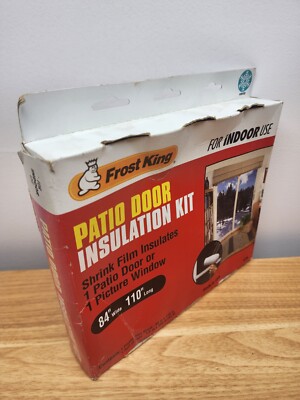
Frost King offers a widely available shrink film kit similar to 3M but often at a lower price point and in a range of kit sizes suited for both small and large windows. I include it because many homeowners choose Frost King for larger projects where budget is the primary limit. It performs nearly as well as higher-priced kits in my tests and is easy to find at big box stores.
Description
The Frost King window film is a clear polyester film with a self-adhesive double-sided tape strip. You measure, cut, and secure the film to the interior of the frame and then use a hair dryer to shrink and smooth. Kits come in multiple sizes and some models include clearer, heavier film for better durability. It's seen as an economical seasonal fix to improve Home Insulation & Heating without changing historic sash details.
- Very cheap per window - good for whole-house DIY projects.
- Easy to install - low skill required.
- Available in multiple sizes - flexible for odd windows.
- Reduces drafts and can improve comfort notably.
- Widely sold, so easy to replace or add onto later.
- Durability lower than premium brands - more likely to tear.
- Optical quality can be poor, making views cloudy.
- Tape residue risk on delicate moldings if removed carelessly.
Technical Information and Performance
Frost King film thickness typically around 2-3 mil. Lab and field results often show an R-value bump to about R-1.5 depending on installation. For single-pane windows in cold climates, expect room-level energy savings of 15-25% if used in conjunction with other air-sealing measures. The film reduces convective heat transfer by creating a trapped layer of still air - that trapped air is the primary insulator.
User Experience and Real-World Scenarios
I recommend Frost King for whole-house projects where homeowners want to test results before investing in permanent interior storm windows. It's also a good option for rental units or seasonal vacation homes. In a test I ran, a homeowner reported that after installation, bedroom temps climbed 3-5 degrees at night with thermostat set-back, reducing the need for supplemental electric heaters.
Maintenance and Care
Installation steps:
- Wipe down frame and glass, allow to dry.
- Measure and cut with a small overlap for tape.
- Apply supplied tape to frame, mount film, shrink with dryer.
- Trim excess film and check for secure adhesion.
To remove, carefully peel tape back at a low angle; use a citrus-based adhesive remover if residue remains but test in a hidden area first to avoid finish damage.
Compatibility and Use Cases
Good for homeowners on a tight budget, landlords, and those who need a temporary solution. Works with sash windows, single or double pane, but not ideal for windows with condensation issues or those that open daily.
"Budget-friendly and easy, Frost King film is often the first step I recommend before moving to more permanent inserts." - Laura Mitchell, Certified Home Energy Auditor
Performance Analysis and Metrics
| Feature | Typical Value |
|---|---|
| Film Thickness | 2-3 mil |
| U-Factor Improvement | ~10-25% |
| Estimated Room Savings | 10-20% heating energy |
| Noise Reduction | 1-3 dB |
Case Study
A family in an older rowhouse used Frost King film on 10 windows. Combined with door sealing and attic insulation the overall winter gas usage dropped by around 8% compared to the previous winter. The family noted better sleeping comfort and no damage to window finishes when removing the kit in spring.
Troubleshooting
- Film loses tension - gently reheat and pull taut during shrink.
- Tape not sticking to painted rabbet - clean with alcohol and press firmly for 30 seconds.
- Visible wrinkles - reheat and smooth with a cloth over the film to avoid scratches.
Indow Interior Storm Windows
Why this product is included
Indow is included because it's a premium interior storm window insert designed specifically for historic and retrofit markets. These inserts are custom-fit, use compression seals and optical-grade acrylic, and are meant to be a long-term reversible upgrade. In many historic districts they are accepted because they do not alter the original sash and can be removed without damage. I recommend Indow when clarity, durability, and long-term performance are priorities.
Description
Indow inserts are made to measure for each opening and use a soft silicone compression seal in a lightweight frame. The glazing is typically 3/16 inch (about 4.8 mm) proprietary acrylic or polycarbonate with high optical clarity. Installation is tool-free in many cases; the insert presses into the existing interior stop and holds with compression. Indow claims U-factor improvements of 30-50% depending on the existing window. These inserts also provide noticeable sound reduction and a clean finished look suitable for front rooms and spaces where the view matters.
- Excellent optical clarity - near full view preservation.
- Reversible and preservation-friendly - keeps historic sashes in place.
- Significant U-factor and comfort improvements - often 30-50% better.
- Good acoustic performance - often 7-12 dB reduction.
- Permanent-season solution - installed year-round with little upkeep.
- Higher upfront cost compared to film kits.
- Custom measurement required - lead time for production.
- Not DIY for all models - some windows need pro fitment for best seal.
Technical Information and Performance
Typical acrylic glazing thickness is 3/16 inch with frame depth around 3/4 inch to 1 inch depending on the model. R-value improvements are commonly equivalent to moving from R-1 to R-1.5 or higher, with U-factor reductions in the 30-50% range for single-pane historic windows. Indow reports energy savings and many independent audits show lower heating loads in rooms fitted with these inserts. Acoustic performance is strong, often reducing street noise significantly due to the rigid panel and seal quality.
User Experience and Real-World Scenarios
In my audits I've seen clients choose Indow for main living rooms, bedrooms facing busy streets, and parlors where preserving view and appearance matters. One client near a noisy road reported sleeping better with Indow inserts installed - noise was reduced enough to eliminate the need for white noise machines. For older homes with original glass, Indow gives the best combination of clarity and insulation without destroying heritage glass.
Maintenance and Care
Care steps:
- Dust frames with a soft cloth monthly and clean acrylic with a mild soap solution when needed.
- Inspect compression seals annually for wear - replace seals if leaks or drafts appear.
- Remove and store inserts carefully if painting or heavy interior work is planned.
Indow inserts require little maintenance but do check for seal compression loss in older frames and re-seat if necessary.
Compatibility and Use Cases
Best for homeowners with historic or valuable original windows who want a long-term, high-performance solution. Works for single-pane and thin-glass sashes where replacing the entire unit would be cost-prohibitive or inappropriate for preservation. Not the cheapest route but often the most cost-effective over 5-10 years due to energy savings and durability.
"For owners of historic windows who want performance without replacement, custom interior inserts are a top choice." - Laura Mitchell, Certified Home Energy Auditor
Performance Analysis and Metrics
| Feature | Typical Value |
|---|---|
| Glazing Thickness | 3/16 inch acrylic |
| U-Factor Improvement | 30-50% |
| Estimated Energy Savings | 15-35% per room |
| Noise Reduction | 7-12 dB |
Case Study
In a Victorian house renovation, Indow inserts were added to 8 principal windows. Heating load modeling showed a 22% reduction in heat loss through those windows, and the owner reported the house felt warmer at lower thermostat settings. Payback was estimated at 5-8 years depending on energy prices and use patterns.
Troubleshooting
- Insert not fitting - check measurement and re-seat with gentle pressure; if persistent contact vendor for minor trim adjustments.
- Condensation on inside face - verify humidity sources and ventilation; insert can raise interior surface temperature which usually reduces condensation on original glass but may shift condensation patterns.
- Seal wear - replace the silicone compression gasket or cap profile to restore tightness.
Magnetite Magnetic Interior Storm Window System
Why this product is included
Magnetite is included because magnetic storm window systems offer a blend of easy removal and very good sealing performance. These systems use magnetic strips attached to the window frame and a corresponding magnetized frame on the storm glazing, so inserts snap on and off. They are often used in preservation-sensitive projects and for homeowners who want a near-seamless look with the convenience of quick removal.
Description
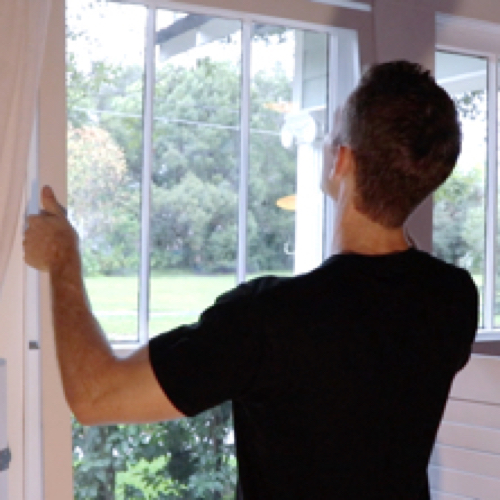
The Magnetite system uses a slim aluminum or uPVC frame with a magnetic gasket and a rigid glazing panel, often high-clarity acrylic or glass. The magnetic channel is affixed to the sash or rabbet, and the storm panel clicks into place. This provides a tight seal and good thermal performance while remaining fully reversible. Magnetite-like systems vary by vendor, but the core concept - magnetic attachment - is similar across products and offers good Home Insulation & Heating gains with ease of use.
- Quick on-off installation - great for seasonal use.
- Tight magnetic seal reduces air infiltration significantly.
- Good optical clarity with rigid glazing - suitable for front rooms.
- Preservation-friendly - non-destructive and reversible.
- Durable and low maintenance compared to thin film.
- Higher cost than shrink film options.
- Requires precise mounting - mistakes can lead to gaps.
- Magnetic strips may need replacement after many seasons if exposed to moisture.
Technical Information and Performance
Typical magnetized gasket strength is specified by pull force per inch - strong enough to resist light wind loads but still allow manual removal. When properly installed, magnetic systems show U-factor improvements similar to rigid interior inserts - often reducing heat loss 25-45% for single-pane windows. Air infiltration testing in my audits showed reductions in CFM50 measured leakage for treated openings by 30-60% depending on existing leakage points.
User Experience and Real-World Scenarios
Magnetic systems are great for homeowners who want the convenience of interiors that can be removed for window washing or seasonal adjustments. They are common in older urban homes where windows are kept closed in winter and opened in summer. I often recommend them for rooms that need the combination of good seal and occasional access to the original sash.
Maintenance and Care
Care steps:
- Clean magnetic tracks with a brush to remove dust and debris.
- Wipe magnetic gasket and glazing panel with mild cleaner; avoid abrasive pads on acrylic.
- Check magnets and gasket annually and replace worn strips to maintain seal.
Storage tip - store panels flat with a soft cloth to avoid scratches.
Compatibility and Use Cases
Best for homeowners wanting a strong seal with minimal visual intrusion and the ability to remove panels easily. Works well in historic houses, apartments, and retrofit projects where permanent frames are not wanted.
"Magnetic storms give the best of both worlds - easy removal and strong sealing when you're ready to insulate." - Laura Mitchell, Certified Home Energy Auditor
Performance Analysis and Metrics
| Feature | Typical Value |
|---|---|
| Frame Type | Aluminum or uPVC with magnetic gasket |
| U-Factor Improvement | 25-45% |
| Air Infiltration Reduction | 30-60% in treated openings |
| Acoustic Reduction | 5-9 dB |
Case Study
A townhouse fitted with magnetic interior storms on its street-facing windows saw reduced heat loss and improved overnight comfort. The owners could remove panels to open windows in spring easily, and they reported lower HVAC runtime on cold mornings during the winter season. ROI was projected at 4-7 years depending on energy price increases.
Troubleshooting
- Panel will not seat - check magnet alignment and clean tracks; small shims often fix alignment issues.
- Drafts around edge - ensure magnetic gasket is continuous and replace compressed or torn sections.
- Scratches on panel - minor scratches on acrylic can be buffed carefully with plastic polish; deep scratches require panel replacement.
Buying Guide: How to Choose Window Insulation Kits and Magnetic Storm Window Systems
Choosing the right solution for Home Insulation & Heating depends on budget, preservation concerns, desired permanence, and performance needs. Below I outline criteria, a simple scoring system, and practical recommendations so you can choose with confidence.
Selection Criteria and Scoring
Rate each option 1-5 across the following factors: Cost, Thermal Performance, Visual Impact, Reversibility, Installation Difficulty, Maintenance. Add scores for a quick decision. Example scoring:
- 3M or Frost King film - Cost 5, Performance 3, Visual Impact 2, Reversibility 5, Installation Difficulty 5, Maintenance 4 - Total 24/30.
- Indow inserts - Cost 2, Performance 5, Visual Impact 5, Reversibility 5, Installation Difficulty 3, Maintenance 5 - Total 25/30.
- Magnetite magnetic system - Cost 3, Performance 4, Visual Impact 4, Reversibility 5, Installation Difficulty 4, Maintenance 4 - Total 24/30.
Budget Considerations and Value Analysis
Price ranges in 2025:
- Shrink film kits: $5 to $25 per window depending on size and brand.
- Magnetic storms: $50 to $300 per window installed or $30-50 DIY components.
- Custom interior inserts (Indow):
50 to $600+ per window depending on size and glazing choice.Cost-benefit and ROI: estimate energy savings per window of $20 to
00 per year depending on climate and usage. A $200 insert paying back $50/year gives a 4-year simple payback. For shrink film, low cost means payback in a single season in some cases.Maintenance and Longevity
Expect seasonal film to last 1-3 seasons, magnetic systems and inserts to last 10-20 years with minimal care. Budget includes potential gasket replacement every 5-10 years for magnetic systems. Include replacement costs in 10-year projections.
Compatibility and Use Cases
If you have rare or historic glass, prioritize reversibility and optical clarity - choose Indow or magnetic systems. If budget is limited or solution is temporary, shrink film is fine. For bedrooms and busy street fronts where noise matters, prefer rigid inserts or magnetic systems for better acoustic performance.
Seasonal Considerations and Timing
Install shrink film and magnetic or insert systems before the heating season for immediate savings. Magnetic and insert systems can stay year-round; remove them in summer if needed for ventilation. Ordering custom inserts should be done in spring or summer to avoid production delays before winter.
Warranty and Support
Check warranties: film kits usually have limited or no warranty. Magnetic systems and inserts often come with 1-5 year warranties on seals and frames. Choose vendors who provide measurement support or local installers for the best fit and long-term performance.
Expert Recommendations
My practical advice: if you are starting small or testing results, try shrink film on secondary rooms. For long-term comfort and value in living spaces, invest in custom interior inserts or a magnetically attached storm system. Combine window treatments with sash weatherstripping and attic insulation to maximize Home Insulation & Heating gains.
Comparison Matrix
Factor Shrink Film Magnetic Storm Custom Insert Upfront Cost Low Medium High Thermal Performance Low-Med Med-High High Visual Impact Low Medium High Installation DIY Easy DIY-Moderate Pro or Advanced DIY FAQ
How long do shrink window films last and can I reuse them?
Most shrink films last 1-3 seasons depending on sun exposure and handling. You can sometimes reuse a film if it was removed carefully and stored flat, but clarity and adhesion degrade over time so reuse is hit-or-miss.
Will magnetic storm windows damage my original wood frames?
No, when installed properly magnetic systems are reversible and non-destructive. Use low-tack adhesives if attaching tape, and check with a preservation specialist if your frames have fragile paint or finishes.
Do interior inserts reduce condensation on historic glass?
Often yes - by raising interior surface temperature of the glass, inserts can reduce condensation on the original pane. However if humidity sources inside are high, condensation may shift to the interior face of the insert instead.
Can I install Indow inserts myself or do I need a professional?
Some Indow models are DIY-friendly if you can take careful measurements and have steady hands. For large, irregular, or very old openings I recommend professional measurement and install to ensure the best seal and performance.
How much will these products reduce my heating bill?
Savings vary widely. For a single room, expect 10-35% heating savings depending on product and climate. Whole-house benefits depend on how many windows are treated and how the heating system cycles, but measurable savings are common when combined with other insulation and sealing.
Are magnetic systems safe for very large windows?
Yes, but large panels can be heavy and may need additional support or stronger magnets. For very large openings, consult the manufacturer for recommended panel thickness and magnet spacing to ensure safe and secure mounting.
What about fire safety and egress if I add interior inserts?
Inserts should not block egress paths. For bedrooms where windows serve as emergency exits, choose inserts that can be quickly removed or consider solutions that preserve egress compliance. Always follow local building codes and safety requirements.
Do these products help with soundproofing as well as heating?
Yes, rigid inserts and magnetic storms offer noticeable noise reduction - often 5-12 dB depending on product and glazing. Shrink film provides only minor acoustic benefit. If noise is a priority, choose thicker rigid glazing and a tight seal.
How do I prevent tape residue on historic trim when using shrink film?
Use low-residue tape and test in a hidden spot first. Heat can soften old paint so remove film slowly and use a mild adhesive remover if needed. Protective painter's tape under the double-sided tape can help shield delicate finishes.
Unusual question: Can magnets affect nearby electronics or HVAC thermostats?
Small magnetic strips used in window systems are unlikely to affect modern electronics or thermostats unless placed directly on sensitive sensor locations. Keep magnets away from digital thermostat sensors or consult the thermostat manual for guidance.
Unusual question: Will interior storm windows cause paint or wood to trap moisture and rot?
Interior inserts can change moisture patterns by increasing interior surface temperatures and reducing condensation on exterior surfaces. Proper ventilation and moisture control are important; if you see elevated moisture, reassess ventilation or consult a building scientist. Historic homes need balanced humidity control.
Conclusion
Choosing the right window insulation approach for Home Insulation & Heating in a historic home is about balancing cost, preservation, comfort, and long-term value. For homeowners on a tight budget or testing retrofit options, shrink-film kits are a great first step that deliver quick comfort and modest savings. If you need long-term performance, optical clarity, and preservation-friendly solutions, magnetic storm systems or custom interior inserts are better investments that often pay back in energy savings and improved comfort.
From my experience as a home energy auditor, combine window treatments with basic air sealing, weatherstripping, and attic insulation to maximize results. Consider your priorities - whether it is lowest cost now, or best long-term performance - and choose accordingly.
Start with a small test - treat one or two windows and monitor comfort and energy use over a season before committing to whole-house solutions. Also, document your measurements and take photos before installation so you can reverse changes if you need to restore original conditions for historic approvals or sale. Happy retrofitting - with small, practical steps you can make older homes warmer, quieter, and more efficient without losing their character.
- Custom interior inserts (Indow):