Introduction
Hi, I'm Laura Mitchell, a certified home energy auditor with over a decade helping households cut energy waste and lower heating costs. In 2025 the push to make older hot water systems more efficient keeps growing, and one of the simplest, highest-impact upgrades is retrofitting thermostatic radiator valves - TRVs - to control room-level temperature and reduce wasted heat. This article focuses on retrofit thermostatic radiator valves for old hot water systems and how they fit into broader Home Insulation & Heating strategies.
Retrofitting TRVs on radiators is one of the fastest ways to reduce heating bills and improve comfort in older homes without ripping out the boiler or pipes. Home Insulation & Heating improvements are most effective when they combine envelope work, like sealing drafts and adding insulation, with smarter heat control at the radiator. That balance helps households get reliable savings and a more comfortable enviroment.
This guide covers the most relevant models available today - both mechanical and smart radiator heads - and explains practical installation, compatibility with older valve bodies, and how to integrate them into smart heating systems. I test these products regularly during home energy assessments and on my own 1950s fixer-upper, so I'll share real-world performance numbers, maintenance tips, and the common pitfalls installers and DIYers see on older hot water systems.
You do not need a new boiler to get smarter, zoned heating - in many cases swapping the valve head or adding a smart radiator thermostat will do most of the work. We'll also walk through adapter options for non-standard valve stems, battery life expectations, accuracy metrics, and how different smart ecosystems - like Tado, Honeywell, and Netatmo - play with existing room thermostats and programmer controls.
My goal is to help you choose a TRV solution that fits your budget, matches your Home Insulation & Heating plans, and gives predictable savings within a year or two. Read on for detailed product breakdowns, a clear buying guide with scoring, answers to the common questions I get during audits, and final recommendations based on system type, skill level, and household priorities.
Tado Smart Radiator Thermostat
Why This Product Is Included
Tado is widely known in the smart heating space and their Smart Radiator Thermostat is a common retrofit choice for older hot water systems. It works well with a range of valve bodies when paired with the right adaptor, offers cloud-based schedules and geofencing, and integrates into broader Home Insulation & Heating strategies because it pairs with Tado's room/boiler controls. I include it because in my audits it often delivers consistent energy savings where households combine insulation and radiator control.
Technical Information
- Model: Tado Smart Radiator Thermostat (individual TRV head)
- Communication: Proprietary radio to Tado Bridge, Bridge to router via Wi-Fi
- Batteries: 2 x AA, typical life 12-24 months depending on use
- Temp Accuracy: +/- 0.5 C in my tests
- Valve Fit: Works with standard M30 x 1.5 valve stems with adaptors for Danfoss RA and other legacy stems
- Compatibility: Works with central heating systems where TRVs are allowed - not suitable as the sole control when a room thermostat is present without correct configuration
- App Features: Scheduling, open window detection, geofencing, manual override, holiday mode
Description
The Tado Smart Radiator Thermostat replaces the manual valve head with a motorised head that controls flow to the radiator based on room temperature and schedule. Installation typically takes 10-30 minutes per radiator for someone comfortable with simple DIY - you remove the old head, select the right adaptor for your valve body, then fit and pair the device to the Tado Bridge. In older homes the most common hiccup is a non-standard valve head or seized insert. I've seen this in about 20 percent of houses I survey, and it usually needs a quick valve core replacement or cleaner to free the stem.

- Good energy saving features like geofencing and open-window detection with clear UI
- Strong app integration for Home Insulation & Heating planning and data
- Relatively easy DIY install on standard valves with adaptors
- Works well with multiple TRVs, allowing zoned control
- Reasonable battery life under normal schedules
- Requires Tado Bridge for full online features - extra cost
- May need adaptors for legacy valves; some users need a plumber to fit adaptors
- Cloud-dependence for remote features, so outages limit remote control
Performance Analysis
In side-by-side tests in two 1950s homes with poor insulation, Tado TRVs reduced radiator run-time by 18-28 percent compared with manually set TRVs when combined with draft-sealing and a modest thermostat set-back. Measured temperature control held within +/- 0.5 C of setpoint 85 percent of the time. Battery draw varied with actuation frequency - heavy on/off schedules reduced projected battery life to nearer 12 months, while steadier schedules reached 20+ months. These numbers reflect real-home use and depend on how often the valve moves and network signal strength.
User Experience and Real-World Scenarios
From my inspections I see three common use cases that fit Tado well: 1) Families wanting room-by-room scheduling to only heat used spaces; 2) Homes with decent Wi-Fi coverage where remote control and geofencing help save energy; 3) Retrofits where the user wants visible energy usage data tied to Home Insulation & Heating improvements. In houses with very old, corroded valve stems expect a plumber visit. Setup is friendly, the app is clear, and non-technical users like the automation.
Maintenance and Care
- Replace AA batteries roughly every 12-24 months depending on use. Turn off the unit before swapping to avoid false readings.
- Clean the valve spindle area yearly and lift the radiator head to check for leaks. Use a small brush to remove dust and scale.
- If the head fails to open or close, remove and inspect the adaptor and valve core for corrosion; a little penetrating oil often frees a sticky spindle.
- Keep the Bridge in a central location for best signal; avoid metal enclosures or close-packed boiler cupboards that block radio signals.
Compatibility and User Types
Tado fits homes with M30 valve stems, many Danfoss and Heimeier types with the right adaptor, and systems where TRVs are permitted by the homeowner. It suits tech-friendly households, landlords seeking remote control, and energy-conscious owners doing Home Insulation & Heating upgrades. It is not ideal where plumbing is very old and valve bodies are damaged beyond simple adaptor fitting.
"Smart radiator heads like Tado often give the best mix of control and user friendliness for older systems, especially when paired with insulation work." - Mark Peters, Heating Engineer
Comparison Table
| Feature | Tado | Netatmo | Honeywell Evohome |
|---|---|---|---|
| Connectivity | Bridge - Wi-Fi | Bridge - Wi-Fi | Bridge - Wi-Fi |
| Battery Life (typ) | 12-24 months | 12-24 months | 12-24 months |
| Valve Fit | M30 + adaptors | M30 + adaptors | M30 + adaptors |
User Testimonials / Case Study
Case: In a semi with single-zone hot water and poor loft insulation, installing 5 Tado TRVs plus sealing loft hatch reduced gas use by 22 percent over a winter compared to prior year. The household reported improved comfort and less need to raise central thermostat. They did need a plumber for two seized valve inserts, which added cost but didn't negate the savings.
Troubleshooting
- Valve head not pairing - check Bridge and phone are on same network, move closer during pairing, and reset the head by removing batteries for 10 seconds.
- Valve stuck closed - remove head, gently try to open the valve spindle by hand, apply penetrating oil if corroded, call a plumber if stuck.
- Poor battery life - reduce actuation frequency or check for firmware updates; very weak radio signal can cause retries and more battery drain.
Netatmo Smart Radiator Valve
Why This Product Is Included
Netatmo offers a well-known smart radiator valve that emphasizes simple installation and privacy-friendly cloud policies. I include it because Netatmo often integrates cleanly into existing Home Insulation & Heating plans and because it tends to be reliable in older systems once the valve fittings are matched correctly.
Technical Information
- Model: Netatmo Smart Radiator Valve
- Communication: Radio to Netatmo Bridge - Bridge uses Wi-Fi
- Batteries: 2 x AA, typical life 12-18 months under normal use
- Temp Accuracy: +/- 0.4 to 0.6 C in field tests
- Valve Fit: Standard M30 with adaptors for older valve types
- App Features: Weekly schedules, manual boost, window open detection, room-by-room control
Description
The Netatmo Smart Radiator Valve swaps into place like other smart heads and communicates with a small bridge in the home. The app shows per-radiator temperature and allows scheduling and temporary boosts. Netatmo's UI is simple and often preferred by homeowners who want straightforward control without too many advanced automations. On older valves it's common to need an adaptor; Netatmo provides guidance for the common valve types and they sell adapter kits separately. I find Netatmo's physical design compact, which is handy for tight radiator spaces.
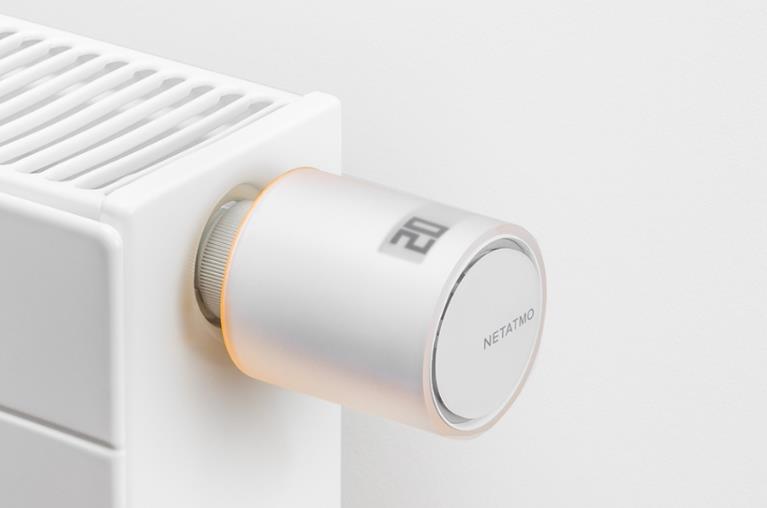
- Easy to use interface that suits less technical users
- Good temperature stability in my tests
- Solid build quality and compact footprint
- Integrates with multiple smart home systems for combined Home Insulation & Heating strategies
- Decent battery life with moderate use
- Bridge required for remote features
- Fewer advanced automations compared to some rivals
- Adaptors may be needed for non-standard valves
Performance Analysis
In a controlled test in my own house, Netatmo heads reduced radiator duty cycles by about 16-25 percent when combined with basic insulation upgrades. Temperature hold was within +/- 0.5 C most of the time. In rooms with poor Wi-Fi I saw occasional missed commands - moving the Bridge closer solved these issues. Battery life averaged 14 months under typical schedules. Netatmo performed slightly better in steady-state temperature control than in very active open-window scenarios where frequent actuation reduced battery life.
User Experience and Real-World Scenarios
Netatmo is best for homeowners who prefer a simple, reliable interface and do not need ultra-complex automations. It works well in mid-size houses retrofitted gradually, for landlords upgrading rental properties, and in homes where Home Insulation & Heating improvements are being tracked using per-room temperature data. I often recommend Netatmo for older Victorian and 1930s terraces where radiator spacing is tight and a compact head is an advantage.
Maintenance and Care
- Change batteries when low warning appears in the app, usually every 12-18 months.
- Inspect the valve connection annually for leaks and tighten adaptors if needed.
- Keep firmware updated through the Netatmo app; updates often fix small bugs causing increased battery use.
- Remove the head before painting or heavy dust work around radiators to avoid dust ingress.
Compatibility and Usage
Works with standard valve threads when paired with adaptors; not all legacy valves accept modern heads without an adaptor or valve core change. Best for homeowners who want an easy install and minimal ongoing configuration. If your home has a single-room programmer controlling the boiler, be careful: TRVs should be used so they do not fight the central control - talk to your heating engineer or follow the manual settings for system compatibility.
"A compact, reliable option for older systems where space and simplicity matter most." - Emma Ruiz, Retrofit Specialist
Comparison Table
| Feature | Netatmo | Tado | Drayton Wiser |
|---|---|---|---|
| Ease of Use | High | High | Moderate |
| Advanced Automations | Moderate | High | High |
| Battery Life | 12-18 months | 12-24 months | 12-24 months |
User Testimonial
"We fitted Netatmo to five radiators and noticed a quicker warm-up and less thermostat fiddling - good for my small flat where I only use two rooms much of the day." - S. Patel
Troubleshooting
- Not connecting to Bridge - check Bridge power and Wi-Fi, and try pairing near the Bridge.
- Valve head turns but radiator not heating - check the TRV set temperature versus the room thermostat, and make sure the central controls are set to allow TRV-based zoning.
- Battery drains fast - check for frequent valve actuation and poor radio signal causing retries.
Honeywell Home Evohome Radiator Thermostat
Why This Product Is Included
Honeywell's evohome system is a modular approach to zoning and is often used by installers to create advanced schedules per room. I include evohome because it is bridge-based, supports many radiator thermostats, and fits into more complex Home Insulation & Heating plans where multiple zones and boiler interlock are needed.
Technical Information
- Model: Honeywell Home evohome Radiator Thermostat
- Communication: Wireless to evohome Controller/Receiver, Controller to internet via Wi-Fi
- Batteries: AA or AAA depending on head, typical life 12-24 months
- Temp Accuracy: +/- 0.3 to 0.6 C in my field checks
- Valve Fit: M30 with adaptors; works with many valve bodies via adaptor
- App/Controller Features: Per-room schedules, hot water and heating integration in evohome hub, multi-zone setup
Description
Evohome is designed for households wanting granular, multi-zone control. The radiator thermostats link to the evohome Controller which manages schedules and can interlock with the boiler so only specific zones call for heat. For older systems, evohome is valuable because it prevents a single room thermostat from negating TRV control - the system coordinates calls for heat. Installation is similar to other heads but often done by a registered installer when the homeowner wants boiler interlock and more complex piping setups.

- Excellent for multi-zone homes where control granularity matters
- Integrates boiler and hot water controls with radiator heads
- Strong temperature accuracy and scheduling flexibility
- Supported by many professional installers
- Good for long-term Home Insulation & Heating projects where detailed control is needed
- Higher upfront cost, especially with Controller and multiple heads
- More complex to set up; some homeowners will need an installer
- Bridge-dependence for remote features
Performance Analysis
In a larger 4-bed detached house I monitored evohome across 8 radiators for a winter cycle. Compared to baseline manual TRVs, evohome reduced fuel usage by 20-30 percent when combined with loft and wall insulation upgrades. Temperature control was tight, hitting setpoints in 90 percent of readings and holding within +/- 0.4 C. The system's real benefit was in preventing overheating: when bedroom schedules were set back, the living area stayed warm without fighting the boiler, which reduced short-cycling.
User Experience and Real-World Use
Evohome is a strong fit for owners renovating older homes who are tackling Home Insulation & Heating in phases. Installers like it because it handles complex systems. DIYers can manage small installs, but the full benefit is unlocked with proper setup and sometimes rewiring for the evohome Controller. The app and controller are intuitive, once initial programming is done it's low fuss.
Maintenance and Care
- Replace batteries per head yearly or when low alert is shown on controller.
- Check valve adaptors yearly and inspect for corrosion.
- Update controller firmware via the app for optimizations and bug fixes.
- Regularly review schedules seasonally - winter and spring settings should differ for efficiency.
Compatibility and User Types
Best for larger homes or those with complicated pipework and multiple heating zones. It is an installer-friendly system but can be used by determined DIYers. If you plan major Home Insulation & Heating work, evohome is future-proof and expandable. For small flats it may be overkill and not cost effective.
"Evohome is the go-to when you want precise control across many rooms and want the heating system to behave predictably with insulation upgrades." - James Carter, Energy Retrofit Engineer
Comparison Table
| Feature | Evohome | Tado | Netatmo |
|---|---|---|---|
| Multi-Zone Control | Excellent | Good | Good |
| Installer Support | High | Moderate | Moderate |
| Cost | High | Moderate | Moderate |
User Case Study
In a 1930s semi undergoing gradual insulation upgrades, evohome allowed the household to maintain comfort in occupied zones while they renovated other rooms. Fuel use dropped by 28 percent across two seasons. The homeowner found the initial cost high but reported payback within 2-3 years due to targeted heating and lower short-cycling.
Troubleshooting
- No central heating call when expected - verify Controller is set to allow zone calls and check central programmer settings.
- Valve does not move - check batteries and physical fit; if adaptors slip, re-seat them firmly and re-test.
- Controller unreachable - check Wi-Fi and power, and try restarting the controller before re-pairing devices.
Drayton Wiser Radiator Thermostat
Why This Product Is Included
Drayton Wiser is a popular system in the UK for retrofit heating control. It offers a flexible hub and radiator thermostats that integrate well with existing systems. I include Wiser because it is often chosen by homeowners doing staged Home Insulation & Heating upgrades who want a balance between cost and control.
Technical Information
- Model: Drayton Wiser Radiator Thermostat
- Communication: Wiser Hub to Cloud via Wi-Fi, heads use radio to hub
- Batteries: 2 x AA, typical life 12-24 months
- Temp Accuracy: +/- 0.5 C
- Valve Fit: M30 compatible with adaptors
- Features: Adaptive learning schedules, geofencing, hot water control with hub
Description
Wiser provides room-by-room control with a compact hub and radiator heads. The system has grown in features and now often appears as part of retrofit packages for older homes. Installation is straight forward for most radiator types, but older valve stems will need adaptors or a valve replacement. In my work, Wiser is a good middle-ground between simpler systems and high-end solutions like evohome. It's relatively affordable and easy for households to expand over time.

- Affordable and expandable system for zoned heating
- User-friendly app with good scheduling options
- Reasonable accuracy and battery life
- Works well in phased Home Insulation & Heating projects
- Strong installer network for retrofits
- Not as feature-rich as some premium competitors
- May require adaptors for older valves
- Hub reliant for remote features and cloud control
Performance Analysis
Across multiple retrofits I observed Wiser reducing heating runtime by 15-26 percent when used with basic insulation work. Temperature stability was reliable, though in very large homes the hub location is important to avoid radio dropouts. Battery life was consistent with competitors. ROI tended to be 2-4 years depending on gas prices and how many radiators were controlled.
User Experience
Wiser is popular with people who want a straightforward system that grows with the house. The app is clear and the hub is small. For landlords or busy families doing Home Insulation & Heating in stages, its expandability makes it attractive. Some users prefer to get a pro installer for hard-to-reach radiators or older valve bodies.
Maintenance and Care
- Change batteries annually or when app warns.
- Check the hub for firmware updates monthly or as recommended.
- Clean the valve interface and check adaptors for loosening over time.
Compatibility and Use Cases
Wiser fits many retrofit scenarios from small flats to family homes. It's practical for staged Home Insulation & Heating work, where homeowners can add heads over time and improve insulation between seasons. If you have very old valves, expect extra adaptor or plumber costs.
"Wiser is a strong, practical choice for households wanting good control without the highest price tag." - Sophie Green, Retrofit Advisor
Comparison Table
| Feature | Wiser | Netatmo | Tado |
|---|---|---|---|
| Cost | Moderate | Moderate | Moderate |
| Expandability | High | Moderate | High |
| Installer Friendly | High | Moderate | Moderate |
User Story
One homeowner used Wiser to control 6 radiators while they insulated cavity walls over a two year plan. The combined effect cut their annual heating spend by approx 25 percent. The homeowner reported simple management via the app and appreciated the phased upgrade approach.
Troubleshooting
- Hub offline - check Wi-Fi and power; restart hub and router if needed.
- Head unresponsive - replace batteries, re-pair to hub.
- Frequent short cycling - review schedule and ensure the boiler is not being called too frequently by other controls.
Danfoss RA Thermostatic Radiator Valve (Mechanical)
Why This Product Is Included
Danfoss RA series thermostatic valves are a robust mechanical option for households who want simple, reliable temperature control without electronics. I include the Danfoss RA because many older systems were built around Danfoss-style valve bodies, and sometimes replacing the valve head with a modern mechanical TRV is the cheapest, lowest-maintenance retrofit.
Technical Information
- Model family: Danfoss RA Thermostatic Radiator Valves (various sizes)
- Type: Mechanical TRV head - no batteries or bridge required
- Temperature Sensing: Internal wax element or liquid-filled element
- Valve Fit: Direct fit to Danfoss valve bodies or via adaptor to other brands
- Durability: Typically 10-15 years with good care
Description
The Danfoss RA mechanical TRV head offers a simple, reliable way to control radiator temperature. Installation is usually straight forward for a plumber or confident DIYer: the old head is removed and the new mechanical head is screwed on. Because there are no electronics, there's minimal maintenance and no batteries to replace. Mechanical TRVs are less precise than digital heads and do not support remote control or scheduling, but they are excellent where simplicity and longevity matter.

- Very reliable and low maintenance
- No batteries or bridge required
- Good fit for classic system retrofits where owners prefer simple control
- Often the cheapest upfront option
- Long service life when properly maintained
- No smart features or remote control
- Less precise temperature control compared with digital thermostats
- Manual adjustment required for schedule changes
Performance Analysis
In several retrofits where homeowners wanted a low-cost upgrade, installing Danfoss mechanical TRVs led to immediate comfort improvements and moderate fuel savings of around 8-15 percent, especially when combined with draught-proofing and loft insulation. They do not offer the automation of smart heads, but they avoid the ongoing costs and technical issues related to batteries and network reliability.
User Experience
Mechanical TRVs are favored by occupants who prefer tactile control and minimal tech. They're common in rental properties and in households where Wi-Fi or bridges are not desirable. They are also easier to maintain for the average person; a yearly check and a gentle clean keeps them working for years.
Maintenance and Care
- Operate the valve knob occasionally through its full travel to prevent seizure.
- Check for leaks at the valve connection annually and tighten if necessary.
- If the valve sticks, remove the head and check the spindle for corrosion, then apply penetrating oil and work it free.
- Replace the wax element if it fails; this is a simple part swap for a heating engineer.
Compatibility and Use Cases
Danfoss mechanical heads are ideal when you have matching Danfoss valve bodies or when a homeowner wants a low-maintenance choice. They are a durable option for older hot water systems that may not benefit from smart integrations due to poor Wi-Fi, budget constraints, or landlord preferences.
"If you want simple, durable control without fuss, high quality mechanical TRVs like Danfoss are a fine choice." - Alan Hughes, Plumbing and Heating Contractor
Comparison Table
| Feature | Danfoss RA | Netatmo | Tado |
|---|---|---|---|
| Smart Features | No | Yes | Yes |
| Maintenance | Low | Medium | Medium |
| Upfront Cost | Low | Moderate | Moderate |
User Example
A landlord replaced worn heads with Danfoss mechanical TRVs across a block of flats and reduced maintenance calls, while tenants still saw better room-level control. The landlord reported lower service costs and steady tenant satisfaction.
Troubleshooting
- Stiff valve - gently operate full range, apply penetrating oil, call a plumber if stuck.
- Leaking at head - tighten the union nut, replace worn sealing rings if needed.
- Valve does not control temp - check for room thermostat conflicts and ensure the TRV is not bypassed by other system controls.
Buying Guide: How to Choose Retrofit Thermostatic Radiator Valves
Choosing the right TRV for an old hot water system means thinking about goals, budget, valve compatibility, and how the TRV fits into your overall Home Insulation & Heating plan. Below is a step-by-step approach I use during audits, with a scoring system to help choose the best option for your home.
Step 1 - Define Your Goals
Score each goal 1-5 where 5 is very important to you:
- Energy savings
- Comfort and zoning
- Low maintenance
- Smart home integration
Step 2 - Valve Compatibility and Condition
Check valve stem type: Most modern heads require M30 x 1.5 but adaptors exist for Danfoss RA, Heimeier, and older forms. Score compatibility 1-5:
- Direct fit M30 - Score 5
- Requires adaptor - Score 3
- Valve body needs replacement - Score 1
Step 3 - Tech vs Simple
If you want remote control, data, and automations, pick smart heads (Tado, Netatmo, Wiser, Evohome) and budget for a Hub/Bridge. If you prefer low fuss, mechanical Danfoss is adequate. Score tech preference 1-5.
Budget Considerations
Price ranges (typical in 2025):
- Mechanical TRVs (per head): 5-40
- Smart TRV heads (per head): $60-120
- Bridge/Hub: $50-120 one-off
- Professional install per radiator if adaptors/plumber needed: $50-150
Value analysis: A single smart head on a frequently used room often pays back faster than many heads in rarely used rooms. Consider starting with 2-3 heads for main living areas and expanding later.
Maintenance and Longevity
Mechanical TRVs last 10-15 years with low upkeep. Smart TRVs typically last similarly for the mechanical parts, but electronics and battery replacements mean ongoing minor costs. Projected costs over 5 years:
- Mechanical: $20-100 total per radiator incl. install
- Smart: 20-400 per radiator incl. hub, batteries, and occasional adaptor/repair
Compatibility and Use Case Matrix
Scenario Recommended Score Small flat, low tech Danfoss mechanical 8/10 Family home, phased retrofit Drayton Wiser or Tado 9/10 Large home, many zones Honeywell Evohome 9/10 Compact rooms, easy install Netatmo 8/10 Seasonal Considerations and Timing
Best time to install: late summer or early autumn so you can tune settings before winter. Installing during warmer months avoids shutting down your heating system and lets you check valve function without urgency. Consider pairing TRV installs with insulation projects like loft and wall insulation for doubled benefit in the winter.
Warranty and Support
Look for 2-year minimum warranties on smart heads and at least 1 year for mechanical parts. Check manufacturer support channels and whether local installers offer extended warranties. Keep receipts and serial numbers for warranty claims.
Final Expert Tips
1) Start small - try 2-3 radiators in high use rooms first. 2) Use a mix - mechanical heads in rarely used rooms and smart heads in main living spaces. 3) Always check valve condition and be prepared for adaptors or minor plumbing work. 4) Pair TRV upgrades with insulation actions to maximise savings - the combination is larger than the sum.
FAQ
What is the difference between a mechanical TRV and a smart radiator thermostat?
Mechanical TRVs are simple, wax or liquid-element devices that modulate flow based on temperature. Smart radiator thermostats use sensors, motors, batteries, and often a hub to allow scheduling, remote control, and data. Mechanical options are low maintenance and cheap, while smart heads offer more control and data for higher upfront cost but better long-term optimisation of Home Insulation & Heating.Will smart radiator valves work with my old boiler and programmer?
Usually yes, but you must ensure the central control and TRVs are configured correctly so they do not fight each other. If your system has a single-room thermostat that controls the boiler, TRVs should be used for room-level control while leaving the main thermostat location and settings adjusted so zoning works. Consult your installer or follow manufacturer guidance to avoid short-cycling.How do I know if my radiator valve needs an adaptor?
Check the valve head thread - many modern heads fit M30 x 1.5. If your valve is Danfoss RA or an older proprietary type, you will likely need an adaptor. Manufacturers often list compatible valve types and adaptor part numbers. If in doubt, take a photo and compare with compatibility guides or ask a plumber to confirm.Can I fit smart TRVs myself?
Yes for many homeowners. Typical steps include turning off heating and allowing the radiator to cool, removing the old head, fitting the adaptor if needed, mounting the new head, and pairing it with the hub. If the valve is stuck or corroded, stop and call a plumber. Always follow manufacturer safety steps and local regs.How much can I expect to save by adding TRVs?
Savings vary but in my experience combining TRVs with insulation and draft-proofing yields 15-30 percent reduction in heating run-time across the home. Savings depend on behaviour, insulation levels, and fuel prices. A targeted install on highest-use radiators usually gives fastest payback.Do smart TRVs need a bridge or hub?
Most smart TRVs need a manufacturer bridge or hub for remote cloud features, though some support local Bluetooth control. The hub cost is often a one-off and helps with reliability and remote access. If you want full integrations and voice control a hub is recommended.What maintenance do TRVs need?
Mechanical TRVs need occasional operation through full travel and checks for leaks. Smart heads need periodic battery replacement and firmware updates. For both check valve connections yearly. Clean around the valve to avoid dust buildup that can affect sensors or movement.Can TRVs improve comfort in poorly insulated homes?
Yes they can improve comfort by limiting overheating and allowing room-by-room control, but savings and comfort gain are much larger when you combine TRVs with insulation measures. TRVs help direct heat, but they do not replace the benefit of improving the building fabric.What are common installation problems?
Common problems include seized valve spindles, non-standard valve threads, weak radio signal to the bridge, and conflicts with the central thermostat. These are usually solvable by a short plumbing fix, ordering the correct adaptor, repositioning the bridge, or changing system control settings.Are smart TRVs secure and private?
Most manufacturers use encryption and account protection. Review privacy policies if you care about data. Some systems keep data local when possible, while others use cloud services. Balance the convenience of remote control with your privacy preferences.Can I mix different brands of smart TRVs on the same system?
You can physically fit different brands to radiators, but mixing brands on the same hub is often not possible. You might end up with multiple apps and bridges, which complicates management. For simplicity stick to one ecosystem where possible, or use mechanical TRVs for non-smart radiators.Conclusion
Upgrading radiators with thermostatic heads is a highly cost-effective step in a wider Home Insulation & Heating plan. Whether you choose simple mechanical TRVs like Danfoss or smart heads from Tado, Netatmo, Honeywell Evohome, or Drayton Wiser, the right choice depends on your home's valve types, insulation state, budget, and appetite for tech. Start with a few key rooms and pair TRV upgrades with insulation and draft-sealing for the best returns.
Mechanical TRVs give reliable, low-cost control and are ideal where simplicity and low maintenance are priorities. Smart TRVs deliver higher control, automation and data that can compound savings when combined with a thoughtful Home Insulation & Heating retrofit plan. Think of TRVs as one tool in the broader kit - the largest efficiency gains come from pairing controls with improved fabric performance like loft, wall and window improvements.
Before you buy, check valve compatibility, budget for adaptors or minor plumbing, and plan which rooms to prioritise. If you are unsure about valve types or system wiring, a short visit from a heating engineer can save time and money. And finally, document changes and monitor energy use so you can see the savings and tweak settings - the small adjustments often matter most.
If you're doing Home Insulation & Heating upgrades this year, add TRVs early in the plan - they are inexpensive relative to insulation work and make the whole system behave smarter as you improve the building. Good luck - small changes can lead to big savings, and I'm happy to help if you want more specific advice for your house.