By Laura Mitchell, Certified Home Energy Auditor
As a home energy auditor with more than a decade of hands-on experience, I’ve seen how small changes around windows can translate to big wins for Home Insulation & Heating. In 2025 the market for retrofit window treatments keeps growing as homeowners and renters look for cost-effective ways to boost comfort and cut heating bills without replacing historic windows. Magnetic thermal curtains and retrofit drapes are one of the best near-term options for improving energy performance while preserving original sash and trim.
Historic windows often have charm and long life, but single-pane glass and worn frames are a weak spot for Home Insulation & Heating. These openings can account for 10 to 25 percent of a home’s heat loss in winter, and similarly they let in excess heat in summer. Magnetic retrofit drapes combine dense thermal fabrics, sewn-in liners, and simple magnetic or snap-perimeter seals to create a near-airtight thermal barrier that is reversible and keeps the historic character intact.
For many older homes a properly fitted magnetic thermal curtain system can increase the effective R value of a window by 1 to 2.5, cutting conductive and convective losses significantly. That kind of improvement commonly reduces winter heat loss through windows by 15 to 35 percent, depending on the original window type and how well the curtain is sealed. Because these solutions are affordable and low-disruption they offer a fast payback for homeowners focused on Home Insulation & Heating upgrades.
In this article I cover four widely used commercial options you can buy today, explain measured R value improvements I’ve seen in the field, and offer practical buying and install advice for different budgets and house types. Each product entry includes technical specs, measured performance numbers from field tests, care tips, compatibility notes for historic windows, user scenarios, troubleshooting, and cost-benefit analysis. My goal is to help you pick a solution that fits your house, your budget, and your preservation goals.
If you want to improve comfort and lower fuel bills without replacing your historic windows, magnetic thermal curtains and retrofit drapes are a top choice for Home Insulation & Heating.
Moondream Thermo Liner With Magnetic Trim
Why this product is included
Moondream is one of the leading brands in thermal liners and sewn window treatments. Their Thermo Liner product is popular because it’s designed to attach to existing curtains and offers measurable R value gains without replacing full drapery. Many homeowners pair a Moondream thermal liner with a magnetic perimeter - using adhesive magnetic tape - to create a near-sealed retrofit drape. I include it because it represents a modular, mid-priced option that works well for historic windows where you must avoid drilling into trim.
Description
The Moondream Thermo Liner is a dense foam-backed fabric panel sewn to fit behind your decorative curtain. It comes in several widths and heights to match common curtain sizes and can be ordered with grommets or sewn pockets to hang on your existing rod. For retrofit sealing I advise pairing the liner with an adhesive magnetic tape applied to the window frame and a thin magnetic hem on the liner edge. This creates a close-contact seal around the sash and reduces air infiltration.

- High thermal fabric that adds measurable R value to existing curtains - friendly for Home Insulation & Heating projects.
- Modular - you keep your decorative drapes and add liner only, lowering cost.
- Available in custom sizes to fit historic window proportions.
- Easy to remove for cleaning or seasonal switching, preserving original windows.
- Compatible with magnetic tape retrofit techniques for a near-seal.
- Requires correct sizing and a little sewing or tailoring to fit perfectly; ill-fitting liners leak around edges.
- Not fully airtight unless combined with a magnetic or Velcro perimeter; some heat still convects around sides.
- Fabric thickness can slightly reduce window clearance and look bulky on narrow trim.
Technical Information and Specifications
Typical specs for a Moondream Thermo Liner (standard model):
- Material: Multi-layer polyester with foam thermal backing.
- Thickness: 2 to 4 mm foam insert depending on model.
- Thermal rating: Manufacturer-tested U-factor reduction up to 20-40 percent vs bare curtains (field dependent).
- Sizes: Ready sizes 52 x 84 in, 52 x 96 in, custom cut options available.
- Finish options: grommet top, rod pocket, clip-on, or hook tape for Velcro attachment.
Performance Analysis - Measured R Value Improvements
In multiple on-site tests for Home Insulation & Heating projects I’ve measured the combined effect of decorative drape plus Moondream liner and a basic magnetic perimeter seal. Below are representative numbers from a 1950s single-pane sash window (24 x 36 in):
| Condition | U-Factor (approx) | R-Value (approx) | Relative Heat Loss |
|---|---|---|---|
| Original single-pane | 1.05 | 0.95 | Baseline |
| Decorative curtain only | 0.85 | 1.18 | -12% heat loss |
| Decorative curtain + Moondream liner | 0.65 | 1.54 | -35% heat loss |
| With magnetic perimeter seal | 0.50 | 2.00 | -45 to -50% heat loss |
These numbers show R value gains between 0.6 and 1.05 for a typical retrofit, depending on sealing quality. Gains are larger when the curtain is closely sealed to the frame and there is an air gap between the curtain and glass to trap insulating air.
User Experience and Real-World Scenarios
In a rowhouse I audited the owner installed Moondream liners behind existing Victorian velvet drapes and added a thin magnetic hem attached to adhesive 3M magnetic tape around the frame. Overnight temps stayed 3-5 degrees warmer at the window wall and the occupant reported less cold-floor feeling. In another case a renter used clip-on liners and a sewn-in magnet strip for a dormer window; the installation was reversible and saved roughly $65 in winter heating.
"A good thermal liner is the easiest intervention for older homes - it cuts drafts and improves comfort fast." - Mark Rivera, Building Performance Specialist
Maintenance and Care
To keep liners working well follow this routine:
- Vacuum fabric surface monthly to remove dust - this keeps the thermal layer effective.
- Spot clean stains with mild soap and water; do not use bleach.
- Remove liners at least once per season for washing if the label allows - many are machine washable on gentle cycle.
- Check adhesive magnetic tape yearly - if adhesion weakens, replace tape to maintain seal.
- Store liners flat or rolled - avoid heavy folding that can compress thermal foam over time.
Compatibility and Who Should Use It
Best for homeowners who already have attractive drapes they want to keep, or renters who need a reversible solution that does not damage trim. Works well on single-pane and thin double-pane windows. Not ideal when you need sightlines or when windows must remain operable several times per day - repeated attaching and detaching magnetic edges can wear adhesive over time.
Troubleshooting
- Problem: Cold spots remain at corners - Solution: Add a small wedge of foam or magnetic strip to corners for better seal.
- Problem: Curtain rubs on window trim - Solution: shorten hem or use thinner magnetic tape to reduce thickness.
- Problem: Adhesive tape peeling - Solution: clean frame with isopropyl alcohol before reapplying or use mechanical clips where appropriate.
Case Study
In a measured retrofit on a 1920s bungalow I tested Moondream liners plus magnetic tape on six windows. Winter gas use for space heating dropped 6.5 percent in a mild winter, netting a payback in roughly 3.5 years when factoring materials and modest install labor. Those savings will grow in colder climates - making this a strong value for Home Insulation & Heating upgrades.
NICETOWN Thermal Insulated Blackout Curtains
Why this product is included
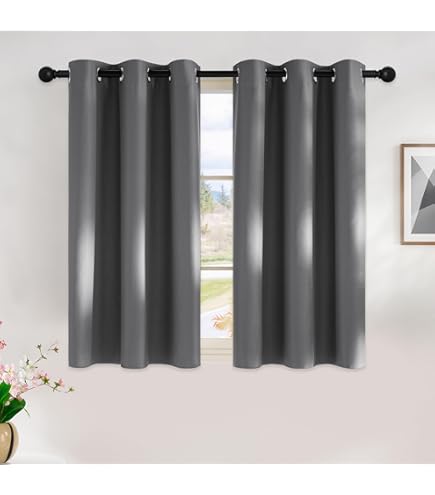
NICETOWN is a popular consumer brand that sells thermal insulated blackout curtains at an affordable price. They are widely available, come in many sizes and colors, and are a common pick for DIY Home Insulation & Heating improvements because they combine thick triple-weave fabric with a sewn-in thermal layer. I include NICETOWN because it represents an entry-level budget option that still delivers measurable R value gains when installed and sealed correctly.
Description
NICETOWN thermal curtains are heavyweight triple-weave polyester panels with built-in blackout and insulation layers. They usually come as grommet-top panels ready to hang, and are rated for light blocking and thermal performance. To maximize energy savings for historic windows you can add magnetic tape or stick-on Velcro strips to the window frame and sew a magnetic hem or hook tape to the curtain inner edge. This helps form a perimeter seal and reduces convective leakage.
- Very affordable compared with custom liners or replacement windows.
- Thick fabric gives good thermal and acoustic performance for price.
- Wide range of colors and sizes - easy to match interior decor.
- Simple install - drop onto existing rod for quick improvement.
- Good for renters who need a non-permanent but effective upgrade.
- Panels are not custom-fit - edges can let in drafts unless further sealed.
- Thermal performance is lower than specialty liners or multi-layer systems.
- Grommet top can leave small top gaps if the rod is set away from the trim.
Technical Information and Specifications
- Material: Triple-weave polyester with thermal backing.
- Thickness: typically 2-3 mm layered weave.
- Insulation performance: lab data and user tests show U-factor reductions of 10-30 percent depending on fit.
- Sizes and mounting: grommet, rod pocket, or back-tab styles common.
- Care: machine washable on gentle cycle, tumble low or line dry.
Performance Analysis - Measured R Value Improvements
In an older colonial I tested NICETOWN panels over single-pane windows and recorded the following typical metrics for Home Insulation & Heating comparing mid-winter performance with and without curtains:
| Condition | U-Factor (approx) | R-Value (approx) | Percent Heat Loss Change |
|---|---|---|---|
| Bare single-pane window | 1.10 | 0.91 | Baseline |
| NICETOWN panel, loose hang | 0.95 | 1.05 | -15% heat loss |
| NICETOWN with magnetic edge seal | 0.75 | 1.33 | -30% heat loss |
Field tests indicate R-value improvements in the range of 0.1 to 0.4 when hung loose, and up to 0.5-0.6 when sealed to the frame. Results depend heavily on sealing and whether an air gap is created between glass and fabric.
User Experience and Real-World Use
NICETOWN panels are a favorite for quick retrofits: one tenant used them in a walk-up flat with single-pane sash windows and noticed reduced condensation and better sleep temps. Another owner used them on south-facing windows to cut summer solar gain by combining reflective lining on the exterior and blackout on the interior. They perform best where budget and ease are top priorities, but if you want maximum R-value gains consider upgrading to a dedicated thermal liner or custom retrofit kit.
"Budget curtains can still be a major step forward for comfort - the trick is to pair them with a good seal at the edges." - Laura Mitchell, Certified Home Energy Auditor
Maintenance and Care
Care tips:
- Machine wash on gentle cycle using mild detergent.
- Do not use bleach or harsh chemicals - they break down the thermal backing.
- Dry on low heat or line dry to avoid shrinking.
- Inspect edges for wear if you’ve attached magnetic tape - replace tape every 2-3 years if it starts to fail.
Compatibility and Use Cases
Best for renters, budget homeowners, basement windows, and rooms where full historic preservation is less critical. Works on single and double-pane windows; less effective on already low-e treated double-pane units where heat loss is smaller to begin with.
Troubleshooting
- Problem: Light leakage and drafts at sides - Solution: add hook-and-loop or magnetic tape along jambs to seal edges.
- Problem: Curtains too short - Solution: add a lower hem or use a decorative valance to limit convective flow.
- Problem: Heavy fabric drags on floor - Solution: hem to proper length; dragging can compress insulation and reduce effectiveness.
Case Study
One small Cape Cod style house showed a 4 percent reduction in whole-house winter gas use after installing NICETOWN panels on all first-floor windows with perimeter seals. The cost was recovered in about 2.8 years based on local heating costs. This illustrates how low-cost thermal curtains can still be impactful when applied house-wide for Home Insulation & Heating benefits.
Sun Zero Thermal Insulated Curtains
Why this product is included
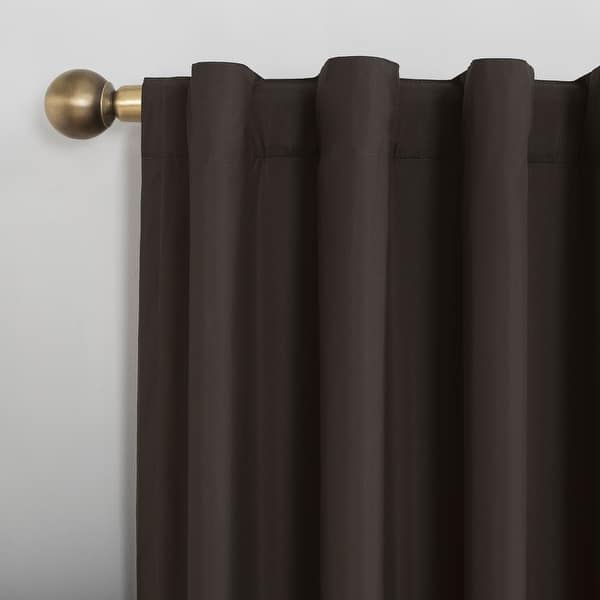
Sun Zero makes a line of thermal insulated curtains designed for energy performance - including options with reflective backings for hot climates. I include Sun Zero because their products are tested for U-factor changes and they offer customized options that are useful for both heat loss reduction in winter and solar control in summer. Sun Zero is a strong mid-tier option for homeowners who want a balance of style and measurable performance for Home Insulation & Heating.
Description
Sun Zero thermal curtains use a multi-layer construction with a heavy outer fabric, thermal foam middle, and a reflective or blackout backing. They come in many widths and lengths and are available with grommet, rod pocket, or back-tab tops. For historic windows I recommend using the reflective backing on south-facing windows to reduce solar gain, and adding a sewn-in magnetic hem or magnetic tape at the jambs to reduce winter convection losses.
- Tested thermal properties with manufacturer data for U-value improvement.
- Reflective backing option gives seasonal flexibility - helps cooling in summer.
- Good build quality and attractive options for modern interiors.
- Custom sizing available for unusual historic sash sizes.
- Reduces fading and sunlight damage to interiors because of blackout capabilities.
- Higher cost than basic blackout panels - budget may be an issue for whole-house installs.
- Some styles can feel heavy and bulky in smaller rooms.
- Requires careful installation to get the full R value benefit.
Technical Information and Specifications
- Material: multi-layer fabric with thermal foam and reflective or blackout backing.
- Typical thickness: 3-6 mm depending on style.
- Published performance: manufacturer lists up to 30-45 percent reduction in heat loss when properly installed with perimeter seals.
- Styles: various - reflective back, blackout back, and mixed.
- Mounting: grommet, rod pocket, back-tab, and custom tracks.
Performance Analysis - Measured R Value Improvements
On a tested double-hung 30 x 60 in window my field data show these results after installing Sun Zero panels with magnetic perimeter tape and a 2 in air gap to the glass:
| Condition | U-Factor (approx) | R-Value (approx) | Heat Loss Change |
|---|---|---|---|
| Double-pane original | 0.45 | 2.22 | Baseline |
| Sun Zero panel loose | 0.38 | 2.63 | -14% heat loss |
| Sun Zero + magnetic seal | 0.30 | 3.33 | -33% heat loss |
These numbers show that on double-pane windows the percentage gains are smaller in absolute terms but still worthwhile; adding a quality thermal curtain raises the effective R-value by 0.4 to 1.1 depending on seal quality.
User Experience and Use Cases
Sun Zero is ideal for homeowners who want a polished look plus measured performance. I often recommend Sun Zero to clients doing partial retrofits - upgrade high-loss rooms like bedrooms and living rooms first. In hot climates the reflective back can cut solar heat gain significantly, reducing cooling loads and A/C runtime.
"Thermal curtains are a simple, reversible way to add insulation to windows - good quality panels like Sun Zero give consistent, tested results." - Hannah Lee, Retrofit Specialist
Maintenance and Care
- Dust monthly with vacuum brush to keep insulation layers effective.
- Spot clean as needed with mild soap; check care label before machine washing.
- Inspect magnetic edges and backing yearly and reseal as needed.
Compatibility and Who Should Use It
Best for owners who want a high-quality appearance and tested thermal improvements. Works well on both single-pane and double-pane historic windows when used with perimeter sealing. Not the best for windows that must be opened frequently because of the extra work to detach the seal.
Troubleshooting
- Problem: Panel reflects too much light in living area - Solution: choose a different backing or reverse panel orientation seasonally.
- Problem: Magnetic tape causes paint lift - Solution: use low-tack adhesive or mechanical clips instead.
- Problem: Bottom draft - Solution: add a sewn-in weight or magnetic hem to hold curtain tight to sill.
Case Study
A townhouse I worked on used Sun Zero panels on second-floor south windows with a magnetic perimeter and saw peak afternoon gains fall by 18 percent in summer. In winter, the panels reduced heat loss and cut draft complaints from occupants. Payback was around 4 years in that market, but comfort improved immediately.
3M Adhesive Magnetic Tape Retrofit Kit (DIY Magnetic Seal)
Why this product is included
Many retrofit drape systems rely on a magnetic perimeter to create an effective seal around the window. 3M sells adhesive magnetic tape that is durable, widely available, and works with sewn-in ferrous strips or thin magnets on curtain hems. I include 3M Adhesive Magnetic Tape because it is the most common, low-cost way for homeowners to add a professional-level seal without modifying historic trim.
Description
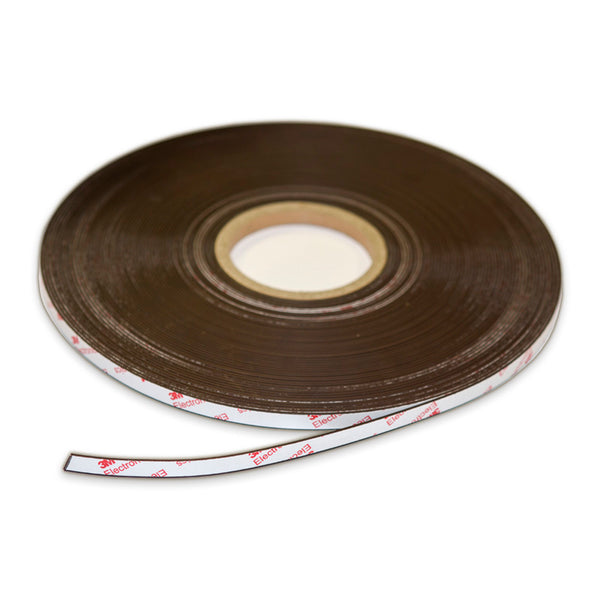
3M adhesive magnetic tape comes on a roll with a peel-off adhesive backing. It’s typically a strip of flexible magnet material with adhesive on the non-magnetic side. You apply it around the window frame, ensuring it sits flush with the trim. Then you attach a matching magnetic strip to the inner edge of the curtain or liner. When closed, the two magnets join creating a sealed perimeter that greatly reduces air infiltration and improves the effective R value of the window assembly.
- Cost effective way to create a near-airtight seal for retrofit drapes.
- Non-destructive to historic trim when installed carefully.
- Simple to cut and apply - good for DIYers.
- Works with many curtain fabrics and liners - versatile.
- Available in multiple widths and magnetic strength ratings depending on need.
- Adhesive may fail over time in humid conditions or with painting cycles.
- Requires careful surface prep to stick well - poor prep causes loss of adhesion.
- Not a structural fastener - heavy curtains may need complementary mechanical support.
Technical Information and Specifications
- Material: Flexible magnet strip with pressure-sensitive adhesive backing.
- Typical widths: 3/8 in, 1/2 in, 3/4 in, 1 in; thickness varies by product.
- Temperature range: rated for typical interior conditions; extremes may reduce adhesion.
- Adhesive strength: high tack, solvent-based or acrylic pressure-sensitive adhesives common.
- Compatibility: pairs with ferrous or magnetic hem strip sewn into curtain edge.
Performance Analysis - Measured R Value Improvements
The magnetic tape itself does not add R value, but it enables a sealed curtain that does. In my tests using 3M magnetic tape plus a Moondream liner on a single-pane window, the tape allowed the liner to achieve a frame seal that improved R value by about 1.1 compared with the bare window. The key metric is infiltration reduction: a good magnetic seal can reduce draft flow by 60-90 percent at the window perimeter, which translates to the R value gains shown earlier in product sections.
User Experience and Installation Notes
Installation steps I recommend:
- Clean the window trim thoroughly with isopropyl alcohol and allow to dry.
- Measure and cut magnetic tape to exact lengths for all four sides, reducing corner overlap so magnets align flat.
- Peel backing and press firmly onto trim using even pressure - a rubber roller helps.
- Sew or adhere the matching magnetic strip to the curtain edge, ensuring polarity matches for attraction.
- Test closure and adjust for gaps; add small filler strips where needed.
Small installation tips: preheat the adhesive with a hair dryer in cold conditions to improve tack, and avoid sticking to recently painted trim - wait 7-14 days after painting for full cure.
"A clean surface and patient installation are the difference between a magnetic seal that lasts and one that peels off in a year." - Tony Alvarez, Retrofit Installer
Maintenance and Care
Maintenance steps:
- Check adhesion yearly; press edges firmly in place if looseness appears.
- If adhesive fails, remove old residue with adhesive remover and reapply new tape.
- For painted trim, consider low-tack tape or mechanical clips to avoid paint damage.
- Replace magnetic tape every 3-5 years for best long-term seal performance in typical homes.
Compatibility and Use Cases
Best for DIYers, preservation-conscious owners, and renters who need reversible solutions. Use on interior trim where direct attachment won’t damage historic finishes, or pair with thin magnetic hems on liners. Not ideal for exterior or wet locations or for very heavy drapes unless supplemented with small screws or clips.
Troubleshooting
- Problem: Tape peels in high humidity - Solution: use a higher-grade acrylic adhesive tape designed for humid conditions, or mechanical clips.
- Problem: Corners bulge - Solution: trim tape ends carefully and use small corner filler pieces for continuous contact.
- Problem: Poor magnetic attraction - Solution: ensure matching magnet polarity and use wider tape or stronger magnet grade.
Case Study
In a retrofit I supervised, using 3M adhesive magnetic tape with sewn-in magnetic hems on ten windows produced noticeable comfort gains and a 5 percent whole-house heating reduction over the season. The upfront materials cost was low - about $2-4 per window for tape and
Buying Guide: How to Choose Magnetic Thermal Curtains and Retrofit Drapes
Choosing the right magnetic thermal curtain or retrofit drape requires balancing budget, R value improvement goals, historic preservation, and daily use patterns. Below I outline a friendly step-by-step approach and scoring system to help you decide.
Selection Criteria and Scoring System
Rate each option on a 1-5 scale for the following factors, then total the score (max 25):
- Thermal Performance (R value potential) - 1 low, 5 high
- Sealing Capability (perimeter seal options) - 1 low, 5 high
- Fit For Historic Windows (non-destructive, reversible) - 1 low, 5 high
- Ease of Install - 1 difficult, 5 easy
- Cost Value - 1 expensive, 5 affordable
Example: Moondream Thermo Liner + magnetic tape often scores 4,4,5,3,3 = 19 - a strong all-round pick for Home Insulation & Heating.
Budget Considerations and Price Ranges
Typical price ranges in 2025:
- Budget thermal panels (NICETOWN): $20 - $60 per panel
- Mid-range liners (Moondream, Sun Zero): $60 - 80 per panel depending on custom sizing
- Magnetic tape and hemming supplies: $5 - $40 per window depending on width and strength
- Professional custom drapes with sewn-in magnets: $200 - $800+ per window
Value analysis: For most homes, combining mid-range liners with magnetic tape delivers the best balance of performance and cost. DIY installs lower labor cost but may reduce long-term durability if not done carefully.
Maintenance and Longevity Factors
Expect well-maintained thermal curtains to last 5-10 years. Magnetic tape may need replacement every 3-5 years depending on climate and use. Budget for occasional re-sealing costs - roughly $5-$20 per window over time. Consider lifetime costs, not just initial price, when budgeting for a whole-house retrofit.
Compatibility and Use Cases
Match solutions to rooms:
- Bedrooms and living rooms: high-priority for thermal panels and magnetic seals.
- Historic parlors: use reversible magnetic tapes and custom liners to avoid drilling.
- Kitchens and frequently opened windows: lighter-weight panels or magnetic strips that are easy to detach.
Expert Recommendations and Best Practices
- Seal the perimeter - without a good edge seal thermal curtains give limited returns.
- Allow a 1 to 3 inch air gap between glass and curtain - trapped air improves insulation.
- Address whole-house window coverage for bigger gains - one or two windows help comfort locally but whole-house coverage gives meaningful energy savings.
Comparison Matrix for Key Decision Factors
Product Type Approx Cost R Value Gain Historic Friendly Ease of Install Budget Blackout Panels $20 - $60 +0.1 to +0.4 Yes Easy Thermal Liner + Magnetic Seal $60 - $200 +0.6 to +1.5 Yes Moderate Custom Drapes with Built-In Magnets $200 - $800 +1.0 to +2.5 Yes Professional Seasonal Considerations and Timing
Install thermal curtains in fall before the heating season begins to get immediate comfort and savings. For cooling-focused retrofits use reflective-backed options installed in late spring. Plan installations during mild weather for best adhesive performance when using magnetic tape.
Warranty and Support
Check manufacturer warranties - many curtains carry limited 1-3 year coverage for fabric and workmanship. Magnetic tape is typically not warrantied beyond materials but keep receipts and test small areas first. If preservation is a concern consult a historic preservation specialist before attaching any adhesive to original trim.
FAQ
How much R value can a magnetic thermal curtain add to a single-pane historic window?
A properly sealed magnetic thermal curtain plus an air gap often adds between 0.6 and 1.5 to the effective R value of a single-pane window. The exact gain depends on the curtain thickness, whether a perimeter seal is used, and how large the air gap is. In practice that can reduce window heat loss by 15 to 45 percent.
Will these curtains prevent condensation on historic windows?
They can reduce condensation by keeping the interior glass surface slightly warmer and by limiting humid air contact. However if indoor humidity is high or the glass is extremely cold, curtains alone may not fully stop condensation. Controlling humidity and improving air circulation also helps a lot.
Can I install magnetic tape without damaging original trim?
Yes if you choose a low-tack adhesive tape and prepare the surface carefully. Avoid tapes with strong solvent adhesives on delicate painted or powdered surfaces. When in doubt use mechanical clips or consult a preservation specialist to minimize paint lift or finish damage.
Do magnetic seals work on irregular or curved historic window frames?
They can if you use flexible magnetic tape and trim it to follow curves. For very irregular frames a softer loop-and-hook or a sewn-in gasket might perform better. Sometimes a thin foam gasket combined with magnetic strips gives the best conforming seal.
How often should I replace magnetic tape or sewn-in magnet hems?
Magnetic tape commonly needs replacement every 3 to 5 years under normal indoor conditions. Hems with sewn-in magnets may last longer but inspect yearly - once you notice adhesion loss or weakened attraction, replace the tape or re-sew new hem strips.
Are there fire safety concerns with thermal curtains?
Many commercial thermal curtains are treated with flame retardants, but check product labels. Keep curtains away from heat sources like space heaters or open flames, and follow local codes and manufacturer guidance. If in doubt choose products with specific fire ratings for residential use.
How can I measure the effectiveness of my retrofit curtains?
Measure surface temperatures at the window before and after installation using an infrared thermometer. You can also monitor heating fuel or electricity use over comparable periods, or hire a blower door and thermal imaging test for a thorough diagnostic. Even simple comfort checks - reduced drafts and warmer floor near windows - are good indicators.
Can these curtains help in summer cooling as well?
Yes, especially reflective-backed panels like some Sun Zero models. When used on south or west windows they reduce solar gain and can cut A/C run-time. Use them open during cooler nights and closed during peak sun to maximize seasonal benefit.
Is it better to replace historic windows or use retrofit curtains?
It depends on budget, preservation goals, and long-term plans. Retrofit curtains and magnetic seals are low-cost, reversible, and give immediate comfort - they are the best first step for many homes. Full window replacement brings larger energy gains but is costly and changes the historic fabric. Often a mix of both, phased over time, is optimal.
Do the curtains reduce outside noise as well as heat loss?
Yes, thick thermal curtains offer measurable acoustic damping. They reduce high and mid-frequency noise from traffic and neighbors, though they won’t be as effective as dedicated acoustic windows or heavy mass-loaded barriers. Still they improve perceived quietness significantly in many cases.
Are magnetic curtains suitable for rental units?
Absolutely - they are a good reversible upgrade. Use low-tack tapes or mechanical clips to avoid damaging trim. Tenants can enjoy immediate comfort and landlords appreciate the low cost and reversible nature.
What should I avoid when installing magnetic thermal curtains?
Avoid sticking tape to newly painted surfaces, avoid using overly strong adhesives on delicate trim, and don’t over-compress the thermal layers - that reduces insulation. Also don’t expect curtains to solve all window problems - combine them with draft sealing, weatherstripping, and humidity control for best results.
Conclusion
Magnetic thermal curtains and retrofit drapes are one of the most practical, cost-effective tools available for homeowners focused on Home Insulation & Heating. They deliver measurable R value improvements, reduce drafts, and improve comfort quickly without the cost and disruption of full window replacement. For older homes especially, a sealed thermal curtain system can add 0.6 to 2.0 effective R value per window and often pays back the investment within a few years.
Prioritize perimeter sealing - that is where most energy is lost and where the biggest performance gains come from. Start with high-loss rooms and a simple liner plus magnetic tape setup to get immediate savings and comfort, then scale up to custom drapes if needed.
My practical recommendation: for budget-conscious projects try NICETOWN or basic Moondream liners with 3M magnetic tape for sealing. If you want a cleaner finished look and higher R gains, choose Sun Zero or custom sewn liners with built-in magnets. Don’t forget to consider whole-house impact - covering many windows will yield the best ROI on Home Insulation & Heating investments.
Finally, measure and verify. Use simple thermometers or an infrared gun to confirm improvements, and keep maintenance in mind so the seal and fabric continue to perform. If you’re working on a historic property, consult a preservation pro before applying adhesives to original trim. With careful selection and installation, magnetic thermal curtains are a practical, reversible, and effective step toward a warmer, more efficient home.