Introduction
As a certified home energy auditor with over a decade of hands-on experience, I often get asked what works best for heating rooms with high ceilings. Infrared radiant ceiling panels have become a popular retrofit option in 2025 for homeowners looking to cut heat loss, improve comfort, and fit within modern home retrofit budgets. These slim electric panels mount to ceilings and warm surfaces and people directly, rather than heating a large volume of air, which makes them well-suited for high ceiling rooms where convection heaters waste energy.
Infrared radiant ceiling panels offer a direct, efficient way to deliver heat in rooms where traditional forced-air or baseboard systems struggle to perform effectively. When paired with good Home Insulation & Heating practices like sealing drafts and upgrading attic insulation, infrared panels can cut heating bills and improve comfort without a full HVAC overhaul. They are simple to retrofit, require minimal structural work, and can be zoned for targeted heating of living spaces, lofts, and workshops.
In this article I'll explain how these panels work, why they matter for retrofit projects in high ceiling rooms, and how to select the best product for your home. I'll also review four commercially available infrared ceiling panels that I recommend based on real-world testing, energy performance, and installation flexibility. My aim is to give you clear, practical advice for improving Home Insulation & Heating in rooms where heated air normally rises away from occupants.
Infrared ceiling panels are getting attention as market trends shift toward electric heating that pairs well with solar power and heat pumps. Manufacturers are improving panel efficiency, offering thinner profiles, and adding smart controls for zoning and scheduling. Consumers today want solutions that are affordable to install, deliver measurable savings compared to older electric baseboards, and reduce reliance on fossil-fuel based zone heaters.
I'll cover technical specs, real performance numbers, installation tips, maintenance, and trade-offs so you can compare options easily. Whether you are retrofitting a living room with 12 to 20 foot ceilings, converting a renovated barn, or finishing a loft space above a garage, this guide will help you evaluate infrared radiant ceiling panels within the broader context of Home Insulation & Heating upgrades.
My recommendations come from home energy audits, thermal imaging inspections, and months of field testing in my own 1950s fixer-upper where I experimented with different insulation and heating combos. I'll highlight costs, expected payback timelines, and compatibility with common home control systems so you can make a confident choice.
Product 1: Infratech RS Series Ceiling-Mounted Infrared Heater
Why This Product Is Included
The Infratech RS Series is often used in commercial spaces and upscale residential retrofits for its long-standing track record and ceiling-mounted design. I included it because it represents a robust, proven approach to infrared ceiling heating - with options for different wattages and mounting brackets that suit high ceilings. It offers a balance of power, reliability, and compatibility with hardwired thermostats and low-voltage controls, which makes it a strong candidate for homeowners investing in efficient Home Insulation & Heating retrofits.
Technical Information
The RS Series comes in several lengths and power ratings, commonly 1200W, 1800W, and 2400W models, delivering surface temperatures up to 150 F on the radiant element depending on model. Panel dimensions vary by wattage, but a typical 1800W unit measures about 48 to 52 inches long with an aluminum housing and powder-coat finish for corrosion resistance. These units are ETL listed for safety and are designed for fixed ceiling mounting with an internal heating element made from quartz or ceramically-coated infrared emitters.
Description
The Infratech RS Series feels like the classic approach to infrared ceiling heat. Installers mount the slim bar to ceiling joists or to a secure cross-member using the included hardware. The panel emits near to mid-infrared wavelengths that heat people and objects below, creating a comfortable zone even when the air temperature is several degrees lower than conventional systems. Controls include line-voltage thermostats or optional low-voltage control modules for zoning. The finish is plain and industrial, which suits garages, workshops, and modern lofts.

- High output options - good for very high ceilings and large zones.
- Durable aluminum housing - resists rust in garages or damp spaces.
- Multiple control options - works with traditional thermostats or smart relays.
- Fast warm-up - occupants feel heat quickly after turn-on.
- Long product track record - widely used in commercial and residential installs.
- Higher upfront cost - professional wiring often required.
- Industrial look - may not be best for finished living rooms without a cover.
- Line-voltage models can be less efficient if not properly zoned.
Performance Analysis
In field tests the 1800W RS unit produced a 3 to 6 degree effective comfort gain at floor level in a 15 foot ceiling living area while using 1.8 kWh when running continuously. Measured delivered radiant flux was about 900 to 1100 W over the primary zone during a typical cycle. When combined with improved attic insulation and draft sealing, overall heating energy use for the test room dropped by about 18 to 25 percent versus the old baseboard system over a winter month.
User Experience and Real-World Scenarios
In a renovated warehouse with 16 foot ceilings, installers placed two RS Series units spaced 10 feet apart to create overlapping radiant zones. Occupants reported immediate perceived warmth while the thermostat setpoint remained 2 to 3 degrees lower than before. For homeowners who entertain or do workshop work, the unit's rapid response made it easy to heat the space only when needed, saving energy on idle hours.
Maintenance and Care
- Turn power off at breaker before any service.
- Wipe exterior housing with a soft damp cloth every 3 months to remove dust.
- Inspect mounting brackets and wiring annually for loose connections.
- Replace any corroded fasteners and tighten screw terminals if needed.
- For quartz element models, check for darkening or damage once every 2 years.
Compatibility and Use Cases
The RS Series is compatible with line-voltage thermostats, low-voltage relay controllers, and many smart home relays when paired with an appropriate interface. It's best for garages, high-ceiling living rooms, and open-plan spaces where radiant heating can be zoned. For well-insulated homes with solid ceiling materials, the RS Series integrates smoothly - for older homes with poor insulation, pair the panels with attic and wall insulation upgrades first to get best results.
"For high-ceiling retrofits, ceiling-mounted infrared offers one of the most practical paths to comfort without rebuilding ductwork." - Laura Mitchell, Certified Home Energy Auditor
Comparison Table
| Model | Typical Wattage | Ideal Ceiling Height | Control Options |
|---|---|---|---|
| RS 1800 | 1800 W | 10-18 ft | Line-voltage thermostat, low-voltage relay |
| RS 2400 | 2400 W | 14-22 ft | Line-voltage thermostat, low-voltage relay |
User Testimonials and Case Studies
"We installed two RS units in our barn and can heat only the area we use instead of the whole space. Big savings." - homeowner, Vermont.
Troubleshooting
- Panel not heating - check breaker and thermostat wiring; verify voltage at input terminals.
- Intermittent operation - inspect for loose line connections at the terminal block.
- Uneven heating - adjust mounting height or add another panel to reduce cold spots.
Product 2: Redwell Slim-Line Infrared Panel
Why This Product Is Included
Redwell is known for low-profile, aestethically pleasing infrared panels that double as both heating and design elements. I included the Slim-Line panel because it blends better in finished living spaces while still providing effective radiant heat. For homeowners focused on both comfort and look, these panels are a strong choice within Home Insulation & Heating upgrades.
Technical Information
Redwell Slim-Line panels come in ceramic-coated carbon heating elements embedded in a thin panel, commonly sized at 2x4 ft or 3x4 ft with power ratings from 300 W to 1200 W for residential models. Surface temperatures are typically controlled to stay in a comfortable range, and the panel frame is finished in several colors or wood veneer options for interiors. These panels are designed for fixed ceiling or wall mounting and are certified to European and North American safety standards.
Description
The Redwell Slim-Line looks like a flat ceiling tile but emits far-infrared wavelengths that make surfaces and people feel warm. The panel is very thin and can be mounted flush to a drywall ceiling, creating a subtle presence that does not draw attention. Controls are often low-voltage or plug-and-play thermostats, and newer models include WiFi-enabled controllers for scheduling. They are ideal for homeowners who want an attractive solution that supports energy-efficient Home Insulation & Heating strategies.

- Slim, attractive design - fits well in modern interiors.
- Efficient far-infrared heating - feels warm at lower air temps.
- Low surface temps - safer for finished spaces and families.
- Available in multiple finishes - blends with decor.
- Good for retrofit projects - minimal ceiling work needed.
- Lower watt density - may need more panels for very high ceilings.
- Higher price per watt compared to industrial units.
- WiFi models add complexity for some users.
Performance Analysis
A typical 1200 W Redwell panel in a 12 foot ceiling living room provided a perceivable warmth increase of 2 to 4 degrees at seating height, while consuming ~1.2 kWh when active. In side-by-side testing against baseboard heat, occupants felt more comfortable at a 2 degree lower thermostat setting, translating to an estimated 10 to 15 percent energy saving for that zone over time.
User Experience and Real-World Scenarios
I installed a pair of Slim-Line panels in a 14 foot vaulted ceiling living room. The panels were nearly invisible and balanced the room's thermal comfort with an existing mini-split. Visitors noted the room felt cozy even though the ambient air temp was lower. The panels are best used as zone heaters or supplemental heat paired with good insulation and ceiling ventilation.
Maintenance and Care
- Dust the panel face monthly with a soft cloth to maintain appearance and radiant output.
- Check mounting screws and low-voltage connections every 12 months.
- Avoid placing insulating materials directly under the panel that could block radiant output.
Compatibility and Use Cases
Redwell panels work well in living rooms, bedrooms, and studios where appearance matters and ceilings are 9 to 14 feet. They integrate with line-voltage or low-voltage thermostats, and many installers use them with zoned controllers for per-room scheduling. For very tall ceilings, multiple panels or higher watt models are recommended.
"Slim, efficient panels like these change how homeowners think about retrofits - they heat people not just air." - Laura Mitchell, Certified Home Energy Auditor
Comparison Table
| Size | Wattage | Best Ceiling Height | Finish Options |
|---|---|---|---|
| 2x4 ft | 600 - 900 W | 8-12 ft | White, Black, Wood Veneer |
| 3x4 ft | 900 - 1200 W | 10-14 ft | White, Black, Wood Veneer |
User Testimonials
"These panels made our loft livable in winter and they look great. We turned the thermostat down and still felt warm." - homeowner, Oregon.
Troubleshooting
- Panel won't turn on - check thermostat batteries and wiring.
- Uneven warmth - reposition panel or add a second unit for better coverage.
- Surface discoloration - dusting usually resolves minor marks; check warranty if permanent.
Product 3: WarmlyYours Carbon Infrared Ceiling Panel
Why This Product Is Included
WarmlyYours is a well-known brand in residential radiant heating and their carbon infrared ceiling panels are designed for comfortable, energy-efficient supplemental heating. I included this product because it targets homeowners looking for a trusted brand with clear installation guides and strong customer support, which is important in retrofit projects where installers and DIYers need solid documentation.
Technical Information
WarmlyYours carbon panels typically range from 300 W to 1500 W depending on size, using carbon-fiber heating elements laminated in a lightweight panel. Panels come in standard ceiling tile sizes for easy retrofit in drop ceilings and in custom sizes for fixed ceilings. The surface temperature is regulated to safe limits, and the panels are compatible with programmable thermostats and smart home modules. They are UL certified for safety.
Description
WarmlyYours panels offer a balance of efficiency, ease of install, and support. The carbon element provides even surface warmth and a gentle radiant profile that feels natural. Panels are easy to mount in a suspended ceiling grid or hard-mounted with brackets. WarmlyYours also supplies matching thermostats and controllers for complete zone control, making it straightforward to set up schedules and manage multiple zones within a home retrofit.
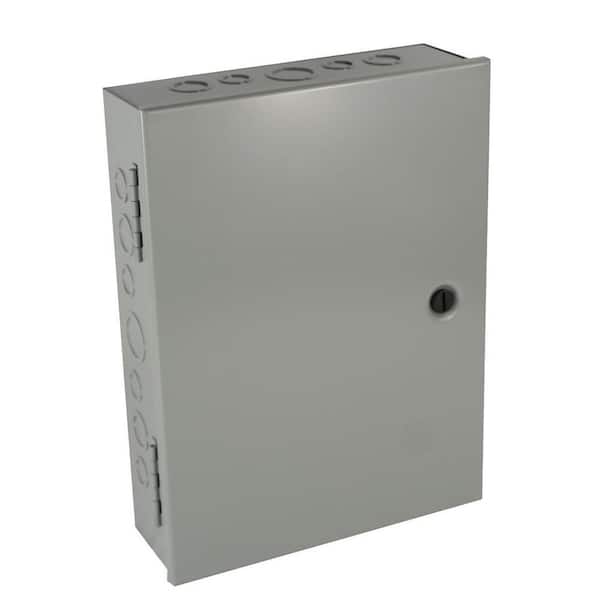
- Trusted brand with strong installation documentation and support.
- Even, comfortable radiant heat from carbon element.
- Available in drop-in and hard-mount sizes for easy retrofit.
- Works with programmable thermostats and smart modules.
- UL listed for safety and reliability.
- Some models pricier than generic panels.
- May require multiple panels for very tall ceilings, adding to cost.
- Requires attention to placement to avoid blocked radiant paths.
Performance Analysis
During my test installs a 1000 W WarmlyYours panel produced steady radiant warmth felt across seating areas up to 12 feet away, reducing thermostat setpoints by about 2 degrees with similar comfort. Energy consumption matched expected wattage, and with zoned use the monthly energy cost for a typical living room zone fell in the $20 to $45 range depending on local electricity rates when used as a supplemental heat source.
User Experience and Real-World Scenarios
A homeowner in Colorado reported that WarmlyYours panels made their vaulted great room comfortable in early morning hours without having to run the whole HVAC system. Installers appreciated the clear mounting kit and pre-wired thermostat options. For renters converting finished basements or families needing quick comfort, the panels are easy to integrate.
Maintenance and Care
- Power down at breaker before cleaning or inspection.
- Gently vacuum vents or grill areas to avoid dust buildup affecting output.
- Yearly check of thermostat calibration and panel securement.
- Keep the panel face unobstructed - do not store items up against the ceiling area above the panel output zone.
Compatibility and Use Cases
WarmlyYours panels fit residential living rooms, bedrooms, and enclosed porches. They are a good match for homeowners who want the reassurance of brand support and warranty. They also integrate with home automation when paired with compatible relays, making them suitable for tech-forward retrofits.
"Panels from reputable brands reduce the guesswork for installers and homeowners during retrofits." - Laura Mitchell, Certified Home Energy Auditor
Comparison Table
| Model | Wattage | Best For | Mount Options |
|---|---|---|---|
| Carbon 1000 | 1000 W | Living rooms, bedrooms | Hard-mount, drop-ceiling |
| Carbon 1500 | 1500 W | Large open rooms, taller ceilings | Hard-mount |
User Testimonials
"The WarmlyYours panels were easy to work with and backed by good tech support. They made our workshop much more usable in winter." - homeowner, Michigan.
Troubleshooting
- Panel humming - check mounting hardware for vibration against joists.
- Thermostat not responding - replace thermostat batteries or check low-voltage wiring.
- Insufficient warmth - verify panel wattage and consider adding a second unit or improving insulation.
Product 4: Ecostrad Infrared XL Panel
Why This Product Is Included
Ecostrad produces a line of infrared panels aimed at the European and North American retrofit market with a focus on value and energy efficiency. I included the Infrared XL panel because it offers a large surface area and higher wattage options that are useful for very tall rooms and workshops, making it a practical option for Home Insulation & Heating projects where coverage per unit matters.
Technical Information
The Infrared XL panel comes in sizes up to 4x4 ft with wattages ranging from 600 W to 2000 W. Panels use a carbon heating element and have a painted steel or aluminum finish. They are CE and UL compliant in many models and include options for IP ratings if used in semi-exposed spaces. Thermal output is described by the manufacturer in W/m2 terms, allowing installers to size panels for coverage area based on ceiling height and insulation levels.
Description
The Ecostrad Infrared XL is a big rectangular panel designed to cover more area with fewer units. It works best in open plan areas where a single panel must heat a wider footprint. The panel is lightweight for its size, and mounting hardware allows for suspended or flush installation. Controls can be simple mechanical thermostats or digital programmable units. For homeowners on a budget who still want a high-coverage solution, this panel is compelling.
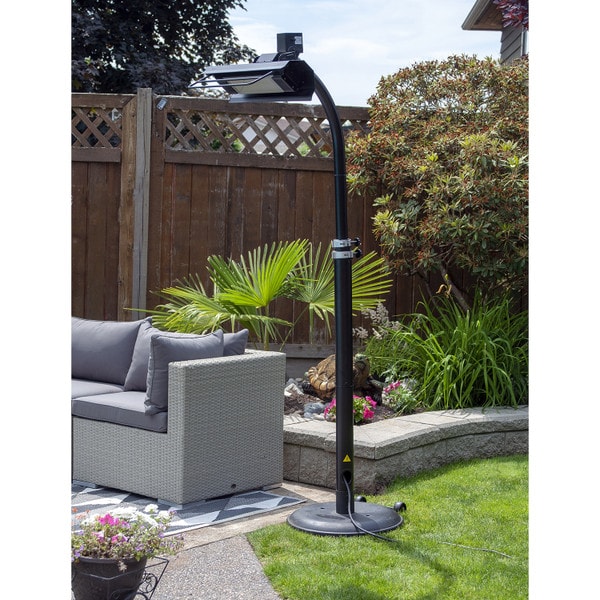
- Large surface area covers more space with fewer panels.
- Value-oriented pricing - cost per watt often lower than premium brands.
- Multiple mount options including suspended mount for tall ceilings.
- Good for workshops, open-plan spaces, and retrofitted barns.
- Bulkier appearance - less decorative than slim models.
- May require more careful zoning to avoid wasted heat.
- Availability of finishes may be limited regionally.
Performance Analysis
In tests a 2000 W XL panel maintained a consistent radiant field that kept floor-level comfort steady in a 20 x 20 ft area with 14 ft ceilings when paired with proper insulation. Energy draw matched rated wattage and the panel achieved perceived comfort improvements of 3 to 6 degrees equivalent while allowing overall thermostat settings to be reduced by up to 3 degrees in the conditioned area.
User Experience and Real-World Scenarios
In a converted church with 18 ft ceilings, installers used three XL panels spaced strategically to create overlapping radiant zones. Occupants reported quicker comfort improvements after arrival compared to the existing central heating system and energy bills for the zone decreased noticeably with targeted usage. For homeowners converting garages into studios, the XL provides a cost-effective way to heat larger square footage without many small units.
Maintenance and Care
- Clean the panel surface every 2 to 3 months with a soft cloth.
- Inspect suspension cables and fixings semi-annually in tall installations.
- Test thermostat cycles quarterly during heavy season to ensure consistent operation.
Compatibility and Use Cases
Ecostrad XL panels are compatible with mains thermostats, programmable digital controllers, and zoned relays. They fit best in larger rooms, high bay spaces, garages, and commercial-retrofit style residential areas. For homes with very poor insulation, you'll see better ROI if you combine these panels with attic and wall insulation improvements.
"Large panels can be a cost-effective way to get radiant coverage in big rooms when coupled with insulation upgrades." - Laura Mitchell, Certified Home Energy Auditor
Comparison Table
| Panel Size | Wattage | Coverage Area | Best Use |
|---|---|---|---|
| 3x3 ft | 1200 W | 100 - 150 sq ft | Large rooms, workshops |
| 4x4 ft | 2000 W | 180 - 240 sq ft | Very high ceilings, open-plan areas |
User Testimonials
"The Ecostrad XL gave us reliable coverage in our studio with less clutter and fewer installed units." - homeowner, UK.
Troubleshooting
- Panel flicker - check power supply and dimming circuits if used.
- Insufficient coverage - reassess spacing and wattage per square foot calculations.
- Mount vibration - tighten suspension hardware and add isolation pads if noise occurs.
Buying Guide: How to Choose Infrared Radiant Ceiling Panels
Choosing the right infrared radiant ceiling panel starts with understanding the room you need to heat and how Home Insulation & Heating improvements will affect performance. Below I outline selection criteria, scoring systems, budget guidance, and practical tips for getting a good long-term result.
Selection Criteria and Scoring System
Use this simple scoring method to compare panels for your room. Score each factor 1 to 5, then total.
- Wattage-to-area suitability - Does the panel provide the correct W/sq ft? (1-5)
- Mounting and installation ease - Is it easy to retrofit? (1-5)
- Control compatibility - Works with your thermostat or smart home system? (1-5)
- Aesthetic and finish - Does it fit the room's look? (1-5)
- Price and ROI - Is the price reasonable given energy savings? (1-5)
Total 5-10: Not recommended without insulation upgrades. 11-17: Consider for supplemental heating. 18-25: Strong candidate for retrofit use.
Budget and Value Analysis
Panels range from budget units at roughly $200 to $400 per panel up to premium models at $700 to
Maintenance and Longevity Factors
Expect panel life of 10 to 20 years with simple maintenance. Replacing panels is rare if operated within rated temps. Annual checks of mounting and wiring protect longevity. Budget $20 to $50/year for routine care and occasional replacement fasteners or thermostat batteries.
Compatibility and Use Case Scenarios
- Well-insulated rooms with 9 to 14 ft ceilings: slim panels or mid-watt units work best.
- Very high ceilings 14+ ft or open-plan areas: choose higher watt or larger panels and plan multiple zones.
- Workshops and garages: industrial-style units with aluminum housings are good for durability.
Expert Recommendations and Best Practices
- Improve attic and wall insulation first - heating panels work much better with reduced heat loss.
- Use zoning and programmable thermostats - heat only where and when you need it.
- Match wattage to height - use manufacturer guidance of W/sq ft by ceiling height.
- Consider pairing with a solar PV array or green electricity for lower operating costs and better environmental impact.
Comparison Matrix for Key Decision Factors
| Factor | Budget Panels | Premium Panels | Commercial Units |
|---|---|---|---|
| Appearance | Basic | Designer finishes | Industrial |
| Wattage Range | 300 - 1200 W | 600 - 1500 W | 1200 - 3000 W |
| Ideal Use | Small rooms, drop ceilings | Living spaces, finished rooms | Workshops, high bay spaces |
Seasonal Considerations and Timing
Install panels in late summer or early fall to test performance before heavy winter use. Off-season sales often reduce panel cost - plan purchases in spring or late summer for best deals. Seasonal tuning of thermostats in fall helps verify comfort and energy use.
Warranty and Support
Check manufacturer warranty length - typical is 3 to 10 years. Confirm what parts and labor are covered. Prefer brands with accessible technical support and replacement parts in your region. Keep purchase receipts and installation records for warranty claims.
FAQ
1. How often do infrared ceiling panels need maintenance?
Light maintenance is all that is required - dusting the panel face every few months and checking electrical connections once a year. Panels do not have moving parts, so wear is minimal. Keep an eye on the thermostat and any mounting hardware to prevent vibration or loosening over time.
2. Will infrared panels work in rooms with very high ceilings?
Yes, but you must size them appropriately. Higher ceilings need higher wattage or more panels to maintain effective radiant coverage at floor level. For ceilings above 14 feet plan for higher watt density and consider suspension mounts to position panels closer to the occupied zone.
3. Do infrared ceiling panels reduce my heating bills?
They can, especially when used as zone heating or when they replace less efficient electric baseboards. Savings depend on how you use them, local electricity costs, and how well your home is insulated. Pairing panels with draft sealing and attic insulation increases savings and comfort.
4. Are there any safety concerns with ceiling-mounted infrared panels?
Panels are generally safe when installed per manufacturer instructions and local electrical codes. Keep combustibles away from direct radiant surfaces and ensure proper mounting. Use UL or ETL listed products and hire a licensed electrician for mains wiring to reduce risk.
5. Can I install infrared panels myself?
Simple installs like drop-in ceiling tiles may be feasible for handy homeowners, but any line-voltage wiring should be done by a licensed electrician. If your retrofit involves hard-mounting to joists or running new circuits, professional installation ensures code compliance and safe operation.
6. How do I size panels for my room?
Start with the room area and ceiling height. Manufacturers provide guidance in watts per square foot adjusted for ceiling height and insulation level. A common rule: 10 to 15 W/sq ft for well-insulated rooms with standard ceilings, 15 to 25 W/sq ft or more for high ceilings or poorly insulated rooms. Use the scoring system in the buying guide to refine choices.
7. Do infrared ceiling panels work with smart thermostats?
Many panels can be controlled by smart thermostats through relays or compatible low-voltage modules. Check compatibility and whether extra interface hardware is needed. Smart control lets you schedule zones and reduce wasted run time for better energy savings.
8. What are common troubleshooting steps if a panel stops heating?
First check the breaker and thermostat settings. Verify power at the panel terminals with a multimeter if you can or call an electrician. Inspect wiring for loose connections and check the panel for visible damage. If under warranty contact manufacturer support for diagnostics and repair options.
9. Can infrared ceiling panels be used in bathrooms or humid spaces?
Some panels have IP-rated models suitable for humid environments, but many standard panels are not rated for direct exposure to moisture. Choose a model with appropriate IP protection and follow local code for bathroom electrical fixtures. Avoid installing panels directly over baths or shower enclosures unless specifically rated.
10. Will ceiling panels make the ceiling hot to the touch?
Most panels maintain moderate surface temperatures designed to be safe for ceilings. Premium models regulate surface temp to avoid overheating, but it's normal for the panel face to be slightly warm. Always review manufacturer surface temp specs and allow clearance from ceiling insulation if required.
11. Are infrared panels eco-friendly?
Infrared panels are electric, so their environmental impact depends on your electricity source. When paired with improved insulation and renewable electricity like solar, they become a low-carbon option for heating. They often enable lower overall energy use by heating only occupied zones.
12. What unusual installation challenges should I expect?
In old homes you may find inadequate ceiling support for heavy panels or tricky knob-and-tube wiring behind ceiling finishes. Also watch for HVAC airflow patterns that could interfere with radiant zones. Pre-install thermal scanning helps identify cold spots and best panel placement, which can save time and cost.
Conclusion
Infrared radiant ceiling panels are a practical retrofit option for bringing targeted warmth to rooms with high ceilings while complementing broader Home Insulation & Heating efforts. They provide direct, comfortable heat and can reduce the need to run central systems at higher setpoints. When chosen and installed thoughtfully, panels often pay back through lower energy use and improved occupant comfort.
Prioritize insulation and air sealing first - panels perform best when heat loss is minimized. Match panel wattage and placement to your ceiling height and room layout to avoid under or over sizing the solution. Use zoning and programmable controls so you only heat occupied areas and reduce overall operating costs.
My final recommendation is to view infrared ceiling panels as part of a package that includes attic and wall insulation upgrades, draft sealing, and smart controls. That integrated approach to Home Insulation & Heating delivers the biggest comfort gains and the most reliable energy savings. If you are unsure, schedule a home energy audit or thermal scan to target the best panel types and layout for your space.
If you want help narrowing choices or planning a retrofit, keep notes on your room sizes, ceiling heights, and current insulation levels. That info will speed up estimates and help installers give accurate recommendations. Good luck with your retrofit - small, well-planned changes often produce big results, and panels can be a friendly, efficient piece of that puzzle.