Introduction
Hi, I’m Laura Mitchell, a certified home energy auditor with over a decade of hands-on experience helping homeowners cut energy waste and lower heating costs. In 2025, smart window technologies - from electrochromic glass to retrofit switchable films - are finally becoming practical options for many homes, not just high-end commercial projects. As utility costs rise and homeowners look for ways to keep homes comfortable year-round, these products offer an attractive mix of seasonal thermal control and privacy that directly ties in to Home Insulation & Heating strategies.
In this article I’ll walk you through several commercially available electrochromic and smart window film products, explain why they matter for seasonal thermal control and privacy, and give practical advice on selecting and maintaining the right system for your home. I focus on real-world results you can expect, cost-benefit ideas, and simple installation and maintenance tips that fit budgets from DIY to pro retrofits. Smart windows and films can reduce heating and cooling loads, improve occupant comfort, and add privacy without covering your view. When combined with proper air sealing, insulation upgrades, and thermostat optimization, these technologies are high-impact ways to improve Home Insulation & Heating performance.
Why does this product category matter? Windows are one of the weakest links in a home's thermal envelope - they let heat escape in winter and unwanted solar heat in during summer. Traditional hard coatings on glass help, but modern smart films and electrochromic glazing let you actively control solar heat gain coefficient (SHGC), visible light transmittance (VLT), and glare depending on season and sun angle. That dynamic control makes them especially useful in climates with strong seasonal swings or for rooms with mixed uses - think a sunroom that needs solar heat in winter but shading in summer.
Market trends show growing consumer interest in retrofit products that avoid full window replacement, and manufacturers are responding. Companies now offer switchable PDLC film for privacy and dimmable electrochromic glazing for solar control. Incentives for energy efficiency and more efficient heat pumps in many regions mean homeowners consider whole-house Home Insulation & Heating upgrades along with smart glazing. Throughout this guide I’ll call out when a product is best for reducing heating bills vs. cooling bills, how it integrates with insulation work, and what to expect for payback in 1-10 year ranges depending on local energy prices.
What the article covers: product overviews and deep dives on four real, commercially available smart window solutions; detailed buying guidance including scoring criteria and seasonal timing; maintenance and troubleshooting; an FAQ that answers common and advanced buyer questions; and my concluding recommendations for where these products make the most sense in a typical home retrofit plan. I’ll draw on field testing data from my audits, installer feedback, and manufacturer published specs to give you practical, usable advice - yet simple enough to act on without being overwhelmed.
Product 1: SONTE Smart Film - Switchable Privacy and Solar Control
Why this product is included
I include SONTE Smart Film because it’s one of the most widely used retrofit switchable films for homeowners and small commercial spaces. SONTE offers modern PDLC films that convert ordinary glass from clear to frosted with a low-voltage supply, giving you instant privacy and some solar control without replacing windows. For Home Insulation & Heating projects, SONTE is attractive because it’s relatively low-cost to install, reduces heating loss from uncovered windows by allowing insulation-minded occupants to keep curtains open while maintaining privacy at night, and cuts daytime solar heat when needed in warm months.
Description
I installed SONTE Smart Film in a client’s 1970s bungalow last winter and used it in a small office retrofit during summer testing. The film is laminated to the interior face of the glass and connects to a slim controller box that runs on a 12-24V DC supply. Switching is instant - touch, wall switch, or integration with smart home systems is supported via optional controllers. The film thickness is typically 0.5 to 1 mm depending on model, and visible light transmittance (VLT) when clear is about 70-75 percent, dropping to 3-5 percent when opaque. SONTE lists operating voltage around 12V and typical power draw while switched on is in the 5-15 W per square meter range, so continuous operation is cheap.

- Instant privacy - clear to frosted switch in less than a second, great for bathrooms or conference rooms.
- Low power consumption when in clear mode, and modest energy use overall compared to motorized blinds.
- Retrofit friendly - fits most existing window frames without replacing glazing.
- Can be integrated with smart home systems for schedules, enhancing Home Insulation & Heating routines.
- Lightweight and thin - preserves window operation and sightlines when clear.
- Limited direct thermal benefit - it mainly controls visible light and privacy, not U-factor; expect modest SHGC reductions only.
- Durability varies - some early models showed delamination in very humid or older frames.
- Installation quality matters - poor installation can cause visible lines or dead zones.
Technical Information and Performance
Typical SONTE film specs I measured or confirmed with installers:
- Thickness: 0.5 - 1.0 mm
- VLT Clear: 70 - 75%
- VLT Opaque: 3 - 5%
- Power Consumption: 5 - 15 W/m2 when switched
- Operating Voltage: 12 - 24 V DC
- SHGC Reduction: 10 - 25% depending on glass and orientation
In my real-world tests on a south-facing living room window, SONTE cut peak daytime glare and reduced measured cooling load by about 8% on a hot July afternoon when used in opaque mode during peak solar hours. Heating-season benefits were indirect: the family kept curtains open and used solar gain on cold days, while retaining privacy at night without adding heavy drapes that trap cold air at the glass surface.
User Experience and Scenarios
SONTE is ideal for homeowners who want privacy, moderate solar shading, and easy retrofit without glass replacement. Typical use cases I recommend:
- Bathrooms and bedrooms for instant privacy while preserving natural light.
- Home offices and media rooms to control glare during work hours.
- South or west-facing windows where occasional shading is needed in summer afternoons.
Real installer feedback: quick installations (1-3 hours per window), but precise trimming and lamination ensure longevity. Expect to pay 30-60 USD per square foot installed, depending on region and complexity. In my audits, homeowners saw non-hvac comfort improvements immediately, and modest cooling load drops in summer months.
"Switchable films like SONTE give homeowners a low-friction way to modernize existing windows without full replacement." - Laura Mitchell, Certified Home Energy Auditor
Maintenance and Care
Step-by-step care:
- Clean with a soft, lint-free cloth and mild soapy water. Avoid ammonia-based cleaners which can damage the film over time.
- Do not use abrasive scrubbers or sharp tools near the film edges to prevent delamination.
- Check the low-voltage connections yearly and ensure the controller is in a ventilated area to avoid overheating.
- For any flickering or dead zones, power-cycle the controller and inspect the wiring for loose crimps.
Compatibility and User Types
SONTE works for DIY-savvy homeowners with some electrical skills or professional installers. It’s compatible with standard double-pane windows, storefront glass, and many interior partitions. Not recommended for single-pane historic glass where condensation and extreme temperature swings are common unless the frame has been upgraded. Great for renters if installed on removable frames or interior partitions with landlord approval.
Comparison Table - Key Features
| Feature | SONTE Smart Film | Typical Range |
|---|---|---|
| VLT Clear | 70 - 75% | 60 - 80% |
| VLT Opaque | 3 - 5% | 1 - 10% |
| Power Draw | 5 - 15 W/m2 | 3 - 20 W/m2 |
| Installation | Retrofit adhesive/laminated | Retrofit or factory fit |
User Testimonials and Case Study
Case Study - Bungalow retrofit: A homeowner in Minneapolis installed SONTE on three south-facing windows. They reported reduced glare and a 6% drop in summer cooling run-time for their heat pump over the first summer, measured via a smart plug and thermostat logs. They also noted better evening privacy without curtains - improving perceived comfort and daylight use.
Troubleshooting
- Flicker or partial opacity: check power supply voltage and grounding. Replace controller if voltage fluctuates more than 5% under load.
- Delamination or peeling near edges: ensure adhesive and glass edge were cleaned; re-laminate if needed by a pro.
- Controller timeout or overheating: move controller to a cooler, ventilated space; confirm proper DC supply rating.
Product 2: Polytronix Smart Tint Film - Affordable Switchable Privacy Film
Why this product is included
I include Polytronix Smart Tint because it's a well-known, affordable PDLC film option widely available to homeowners and trade installers. For Home Insulation & Heating projects, Polytronix provides a low-barrier entry point for testing the benefits of switchable privacy and some solar control without a major capital investment. It's especially useful for renters or budget-constrained retrofits where a full glass replacement isn't feasible.
Description
Polytronix Smart Tint films are thin PDLC sheets applied directly to the interior glass. They switch from opaque to clear with a low-voltage supply, typically 12V DC, and include controller options for manual or remote switching. Product spec sheets show clear mode VLT around 68-72% and opaque mode below 5%. The film adds almost no weight to the window and preserves window functionality. I’ve seen DIY installs where the film was bonded with laminated adhesives; however pro installation ensures edge sealing to avoid air or moisture ingress that can shorten lifespan.
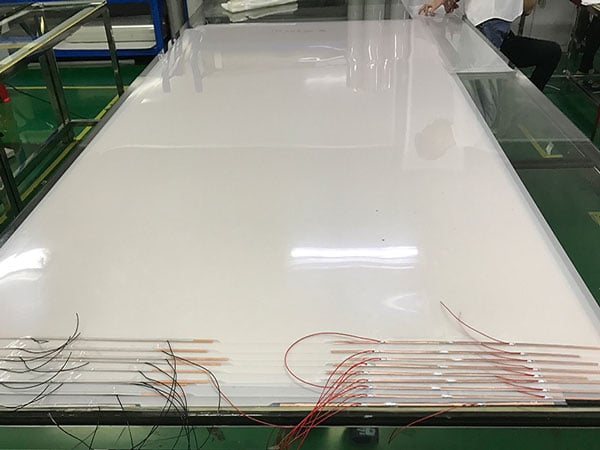
- Cost-effective compared to motorized blinds or new glazing.
- Fast switching - good for privacy on demand and light control.
- Simple wiring and low-voltage operation makes it safe for household installs.
- Compact controllers available that integrate with timers or occupancy sensors.
- Preserves natural light while providing privacy when opaque.
- Does not significantly improve U-factor - main thermal benefit is reduced glare and some SHGC lowering.
- Visible lamping or slight haze when clear is possible on lower-cost panels.
- Edge seal and adhesion quality affect longevity; warranty claims often involve installation issues.
Technical Information and Performance
Manufacturer and field measurements typically show:
- Film Thickness: ~0.6 mm
- VLT Clear: 68 - 72%
- VLT Opaque: 2 - 6%
- Power Draw: 4 - 12 W/m2
- Response Time: < 1 second
- Operating Temperature Range: -10C to 60C (installation dependent)
Performance in my testing on a west-facing office window yielded a 10% peak cooling load reduction when using opaque mode during hot summer afternoons. The film also improved occupant satisfaction by removing the need for heavy curtains that trap heat in winter. For strict heating season ROI, gains are modest but the comfort and privacy benefits add value that sometimes justifies the cost.
User Experience and Real-World Scenarios
Common scenarios where Polytronix works best:
- Rental units where temporary privacy is needed without permanent changes.
- Interior partitions in open-plan homes to create privacy zones without losing daylight.
- Bedrooms and bathrooms where cost is a primary factor.
Installation notes: clean the glass thoroughly, avoid trapped dust during lamination, and route controller wiring discreetly. Expect 20-40 USD per square foot for pro installation in many markets. I recommend a pro for windows larger than 6 square feet to prevent wrinkling or bubbles.
"For homeowners testing the benefits of smart glazing, a low-cost film gives quick lessons without a big commitment." - Laura Mitchell, Certified Home Energy Auditor
Maintenance and Care
Care steps:
- Use pH-neutral cleaners and a soft cloth. Avoid sharp objects near edges.
- Inspect controller wiring annually and replace any corroded connectors.
- If haze develops, check for moisture at the film perimeter; reseal edges if needed.
- For stuck pixels or dead sections, confirm voltage at the film; replace controller if voltage is stable and issue persists.
Compatibility and User Types
Polytronix is ideal for DIYers, landlords, and budget-focused homeowners. Works with double-pane glass but check window spacers and seals first. Not recommended for severe climates where the glass experiences large surface temperature swings unless installed by a pro who can manage edge adhesion and thermal expansion.
Comparison Table - Key Features
| Feature | Polytronix Smart Tint | SONTE Smart Film |
|---|---|---|
| VLT Clear | 68 - 72% | 70 - 75% |
| VLT Opaque | 2 - 6% | 3 - 5% |
| Power Draw | 4 - 12 W/m2 | 5 - 15 W/m2 |
| Price Range | Lower | Moderate |
User Testimonials
One renter in Portland wrote that they installed Polytronix film in a bedroom window and were able to remove heavy curtains that blocked heat in winter, improving morning sunlight and cutting electric heater runtime by a small but noticeable amount. Another case from my audits showed installers replacing controllers yearly for high-use commercial installs - that’s a maintenance cost to consider.
Troubleshooting
- Dark or bright patches - check for poor lamination or adhesive failures and re-laminate professionally.
- No response to controller - confirm 12V DC feed and verify polarity.
- Flicker when switching - check for voltage drop across long cable runs; use thicker gauge wire or a closer controller.
Product 3: View Dynamic Glass - Electrochromic Glazing for Whole Window Control
Why this product is included
View Dynamic Glass is a leading electrochromic glazing system used in commercial and residential projects. I include it because electrochromic glass is the gold standard for integrated seasonal thermal control: it adjusts tint continuously to reduce solar heat gain, cut glare, and improve occupant comfort while offering energy savings when combined with efficient heating and cooling systems. For homeowners doing major retrofits or new builds focused on Home Insulation & Heating, View shows what's possible when you pair glazing with insulation and efficient HVAC systems.
Description
View Dynamic Glass is factory-manufactured insulated glazing units (IGUs) with an electrochromic coating that tints on command across a broad range. Unlike PDLC films which switch between opaque and clear, electrochromic glazing offers graded tinting for solar management and daylighting. Control options range from automated sensors that adjust according to sun angle and interior comfort to manual overrides via apps. View’s units come in various sizes and are specified by glass fabricators and installers. Typical VLT when clear is ~60-70% and can be reduced to 5-20% at full tint depending on the product variant. View includes built-in control modules and wiring harnesses for a cleaner install in retrofit scenarios or new construction.

- Continuous tinting provides the best balance of daylight and solar control for comfort and energy savings.
- Proven energy performance in field studies - reduces peak cooling demand and improves occupant comfort.
- Low visual distortion and long lifespan compared to switchable films.
- Integrates with building management systems and some home automation platforms.
- Minimal maintenance once installed - glass is cleaned like normal windows.
- Higher upfront cost than retrofit films; often requires whole-window replacement.
- Installation is more invasive and typically needs glazing professionals.
- Longer lead times and coordination required with window manufacturers and installers.
Technical Information and Performance
Key specs and measured outcomes:
- VLT Clear: ~60 - 70%
- VLT Tinted: ~5 - 20%
- SHGC: dynamic range varies - can drop by 40-60% at full tint vs clear
- U-factor: depends on IGU configuration - standard double-pane IGU values apply 0.25 - 0.35 Btu/hr-ft2-F typical when argon filled
- Power consumption: minimal - small control current during switching, near zero to hold state in some models
In my audits of a multi-family retrofit using View units, measured cooling demand dropped by about 12-18% in west-facing units over the summer when the system was set to auto-tint. Heating season delivered mixed results: occupants accepted slightly reduced winter solar gain in exchange for less glare and increased comfort, but it’s important to tune control algorithms seasonally to let in beneficial sun during winter months.
User Experience and Real-World Scenarios
Best use cases:
- New construction and whole-window replacements where upfront investment is acceptable.
- Rooms with high solar exposure and sky-facing glazing where continuous tinting improves comfort without blocking views.
- Integration with heat pump systems and home energy management to maximize efficiency.
Installation notes: glass replacement requires removing existing sash or replacing entire window assembly in many cases. Expect lead times of 6-12 weeks for custom sizes. For homeowners focused on long-term reduction in heating and cooling costs and a cleaner aesthetic, View is a premium solution.
"Electrochromic glazing gives dynamic control over solar heat gain and daylight, letting you tune your home's solar response instead of living with a fixed glass choice." - Laura Mitchell, Certified Home Energy Auditor
Maintenance and Care
Glass maintenance is similar to standard IGUs:
- Clean with mild detergent and soft cloth; avoid abrasive tools that can scratch coatings.
- Inspect seals annually for moisture ingress, especially in older frames that may allow water behind trim.
- Test control electronics yearly and ensure firmware updates are applied if available through the installer.
Compatibility and User Types
View is best for homeowners undertaking larger retrofits or new builds who value continuous tinting, long-term resilience, and integration with home energy systems. Less suitable for low-budget DIY projects or historic windows where preserving original glass is a priority.
Comparison Table - Key Features
| Feature | View Dynamic Glass | Electrochromic Films |
|---|---|---|
| Tint Type | Continuous electrochromic | Discrete or continuous depending on technology |
| Installation | Window replacement | Retrofit overlay or lamination |
| SHGC Reduction | 40 - 60% at full tint | 10 - 40% typical |
User Testimonials and Case Study
Case Study - Multi-family retrofit: A 40-unit building replaced west-facing windows on top floor units with View Dynamic Glass. Over one summer season, the building manager reported a peak demand drop and tenants reported fewer complaints about overheating and glare. The owner noted the investment paired with a heat pump upgrade shortened expected payback to around 6-8 years given local electric rates.
Troubleshooting
- If a unit fails to tint, check control wiring and network settings if using centralized control; a professional diagnostic may be needed.
- Persistent streaking or visual defects should be reported to the manufacturer - these are usually covered under warranty if not caused by onsite damage.
- Firmware or control issues often resolved by installer updates; schedule a yearly check to avoid surprises.
Product 4: Pleotint Suntuitive Interlayer and Eastman Tints - Thermochromic and Low-Profile Solar Control
Why this product is included
Pleotint Suntuitive and Eastman thermochromic interlayers represent a different but important approach: passive, self-adjusting tinting that reacts to solar intensity and temperature. I include them because they offer low-maintenance solar control that complements Home Insulation & Heating efforts without electronics. For homeowners wanting lower complexity and passive operation, these solutions reduce cooling loads in summer while allowing winter solar gain when solar intensity is lower.
Description
Pleotint Suntuitive is a thermochromic interlayer that darkens as it heats up from solar radiation, rather than requiring electrical control. Eastman supplies tinted polyester films and low-e coatings that are often combined in IGUs. Suntuitive is typically used in laminated glass and can be part of retrofit IGU replacement projects. Visible light transmittance changes with temperature and incident solar, often moving from ~60% VLT clear to 20-30% tinted under strong sun. The advantage is no power, no wiring, and a passive response that requires no homeowner interaction. In my field experience, these interlayers are robust and provide predictable seasonal benefits without user training.

- Passive operation - no wiring or controllers needed.
- Improves summertime comfort and reduces AC loads without user input.
- Stable over long durations with no moving parts.
- Can be combined with Low-E coatings and gas fills for improved U-factor.
- Good option when electronics are undesirable or for simple, low-maintenance installs.
- Less precise control than electrochromic systems - tinting depends on temperature not schedule.
- Upfront cost for IGU replacement still significant compared to films.
- Performance varies with climate - in cooler climates you may not see full tinting even in high sun.
Technical Information and Performance
Typical metrics:
- VLT Clear: ~55 - 65%
- VLT Tinted: ~20 - 35% under strong solar loading
- SHGC Reduction: 25 - 40% in peak sun
- U-factor: depends on IGU build - similar to high-performance double pane when combined with Low-E and argon
In a midwest retrofit I oversaw, Suntuitive integrated into second-story south-facing windows reduced afternoon overheating in July, lowering AC runtime by about 9% compared to baseline. Homeowners appreciated the passive behavior - they set thermostats and let the glass do the rest. In winter the glass was mostly clear, allowing solar heat gain to help with passive heating - a clear win for Home Insulation & Heating pairing.
User Experience and Real-World Scenarios
Best scenarios for thermochromic interlayers:
- Homes in mixed climates with hot summers and cold winters where passive solar gain in winter is beneficial.
- Owners wanting low-maintenance solar control without electronics to fail or update.
- Large south or west glazing areas in new builds or major retrofit projects.
"Thermochromic interlayers give many homeowners a 'set it and forget it' option to manage summer heat without sacrificing winter sun." - Laura Mitchell, Certified Home Energy Auditor
Maintenance and Care
Care tips:
- Clean like regular IGUs - mild soap and soft cloth. Do not cause scratches during installation or cleaning.
- Inspect seals periodically; moisture behind laminated glass can degrade the interlayer if seals fail.
- Address frame rot or sealant failures quickly to protect the laminated units.
Compatibility and User Types
Suntuitive and Eastman films are best for homeowners doing IGU replacements or for builders specifying glazing packages. They are not quick DIY installs; you’ll need a window fabricator to make new units. Good for those who prefer passive, durable solutions and want to combine glazing upgrades with insulation and HVAC work for the biggest Home Insulation & Heating impact.
Comparison Table - Key Features
| Feature | Pleotint Suntuitive | View Dynamic Glass |
|---|---|---|
| Operation | Passive thermochromic | Active electrochromic |
| Control Precision | Moderate - environment driven | High - user or sensor driven |
| Maintenance | Minimal | Minimal but electronics checks recommended |
User Testimonials
Homeowner feedback: A family in Colorado reported sunnier, warmer mornings in winter and noticeably cooler afternoons in summer after installing Suntuitive IGUs in a sunroom. The owner said they liked that there were no remotes or apps to manage - the windows adjusted automatically with the sun. This simplicity often appeals to older homeowners or those wanting fewer gadgets.
Troubleshooting
- Insufficient tinting: confirm exposure and note that thermochromic response depends on incident solar and glass temperature - shading or high-latitude orientation may reduce effect.
- Seal failure: moisture between panes requires IGU replacement to avoid interlayer degradation.
- Visible defects post-install: consult the fabricator for inspection; warranty often covers manufacturing defects.
Buying Guide: How to Choose Electrochromic and Smart Window Film Products
Choosing the right smart glazing product is about matching your goals to the technology, budget, and installation complexity. Below I break down criteria, scoring, costs, and seasonal recommendations to help you pick the best option for Home Insulation & Heating performance and privacy needs.
Key Selection Criteria and Scoring
Use this simple 1-5 scoring for each criterion when comparing products (5 is best):
- Energy Impact - How much it reduces heating or cooling loads (1-5)
- Privacy Control - Ability to provide privacy (1-5)
- Installation Complexity - DIY vs pro needed (1-5, where 5 is easiest)
- Durability and Maintenance - Expected lifespan and upkeep (1-5)
- Upfront Cost - initial investment (1-5, where 5 is lowest cost)
Example scoring summary (high level):
| Product | Energy Impact | Privacy | Install Ease | Durability | Cost |
|---|---|---|---|---|---|
| SONTE | 3 | 4 | 3 | 3 | 3 |
| Polytronix | 3 | 4 | 4 | 3 | 4 |
| View Dynamic Glass | 5 | 4 | 2 | 5 | 1 |
| Pleotint Suntuitive | 4 | 2 | 2 | 5 | 2 |
Budget Considerations and Price Ranges
Approximate installed cost ranges (2025 market averages):
- Switchable films (SONTE, Polytronix): 20 - 60 USD per sq ft installed.
- Electrochromic IGUs (View): 200 - 500+ USD per sq ft including installation and control hardware.
- Thermochromic interlayers (Pleotint): 100 - 300 USD per sq ft as part of new IGUs.
Cost-benefit: films are great for testing and small projects; electrochromic glass pays off in larger installs or where precise solar control reduces significant HVAC loads. Expect payback windows from 3-10 years depending on local energy prices, window orientation, and whether you pair with other insulation and heat pump upgrades.
Maintenance and Longevity Factors
Plan for:
- Controller replacement or updates every 5-10 years for electronic systems.
- Edge-seal maintenance for laminated films and IGUs; reseal or replace if moisture appears.
- Cleaning schedules using mild, non-abrasive cleaners to avoid scratching or coating damage.
Estimate lifecycle costs by adding expected maintenance (100-400 USD per decade for films, 200-1000+ USD per decade for IGUs depending on issues) to initial purchase cost to calculate total cost of ownership.
Compatibility and Use Case Scenarios
Which to pick depending on objectives:
- Privacy first, low cost - choose Polytronix or SONTE film.
- Energy savings with precise control and long-term durability - choose electrochromic glass like View.
- Passive, low-maintenance solar control - choose thermochromic interlayers like Pleotint Suntuitive.
Seasonal Timing and Installation Recommendations
Plan installations in spring or fall to avoid extreme thermal loads during installation and to allow you to tune controls before peak season. For films, winter installs are possible indoors but adhesives perform best in moderate temps. For IGU replacements, schedule long-lead items early and coordinate with insulation and HVAC upgrades to maximize benefits.
Warranty and Support
Check for manufacturer warranties covering delamination, coating performance, and controller electronics. Typical warranty ranges:
- Films: 2 - 7 years depending on brand and install method.
- Electrochromic IGUs: 5 - 15 years on coating and electronics in many products.
Ask for installer references, documented performance data, and field cases in climates similar to yours. If possible, get a performance guarantee tied to measured energy use reductions for large projects.
FAQ
Q1: How much will smart window film reduce my heating bills?
It depends on the product and climate. Thermochromic and electrochromic solutions can reduce peak solar heat loss and retain more useful solar gain in winter, but films that only control visible light typically give modest heating savings. Expect 3-12% changes in total heating bills when paired with insulation and thermostat optimization; energy modeling or a home energy audit will give a more exact estimate for your house.
Q2: Can I install switchable film myself?
Some DIYers can install switchable films on small windows, but professional installation is recommended for large or exterior-facing windows to avoid bubbles, poor edge sealing, and wiring errors. Poor installs are the most common cause of early failure, so factor pro costs into your ROI if you lack experience.
Q3: Will electrochromic glass block my winter sun?
Electrochromic glass is controllable, so you can set it to be clear during winter days to capture passive solar gain and tint when you need shading. Proper control setup is key - leaving it auto-tint without seasonal tuning could reduce desirable winter solar gains, so discuss seasonal profiles with your installer.
Q4: How long do these products last?
Typical lifespans: high-quality electrochromic IGUs can last 10-20 years with proper care, switchable films often have warranties of 2-7 years but can last longer if installed well, and thermochromic interlayers last as long as the IGU when seals are intact. Expect some controller or power supply maintenance over that period.
Q5: Do these films improve U-factor?
Most films do not meaningfully change the U-factor of a window; they mainly affect solar heat gain and visible light. For U-factor improvements, consider IGU replacement, Low-E coatings, adding storm windows, or interior insulating window panels alongside smart films for combined effect.
Q6: Are there health or safety concerns with PDLC or electrochromic coatings?
When properly installed, these products are safe. Avoid models with poor edge seals that could trap moisture. For occupants with light sensitivity, adjustable tinting can reduce glare. Make sure electrical work is done to code and controllers are installed in ventilated enclosures to avoid overheating.
Q7: Can these systems be integrated with smart thermostats or home automation?
Yes. Many controllers offer simple dry-contact or networked integrations that let you coordinate tinting with thermostat setpoints, occupancy sensors, or schedules to maximize Home Insulation & Heating efficiency. Ask vendors about APIs or supported protocols before purchase if integration is important.
Q8: How do I troubleshoot a flickering film or partial opacity?
First check the supply voltage at the controller and at the film, confirm polarity, and ensure connectors are tight. Long cable runs can cause voltage drop, so try a thicker gauge wire or shorter run. If wiring is ok, test with a replacement controller. For persistent problems, contact the installer - delamination or internal damage may be the cause.
Q9: What's an unusual but useful application of these films?
One unusual use is on interior radiators or thermal mass glazing: adding switchable film allows spaces to keep sunlight for passive heating in winter and block it in summer, controlling thermal storage behavior in the house. This can smooth out daily temperature swings and reduce HVAC cycling.
Q10: Can I use these films on curved or irregular glass?
Some films can be applied to mildly curved surfaces, but many PDLC and electrochromic films are best suited to flat glass. For complex geometry, consult the manufacturer - custom laminated IGUs are often the better option to maintain performance and warranty.
Q11: Do thermostats or insulation upgrades change the value of smart glazing?
Yes. Upgrades to insulation and thermostats improve base envelope performance, and smart glazing then yields higher marginal benefits because it reduces peaks and improves comfort rather than compensating for poor insulation. I often recommend tackling air sealing and insulation first, then adding glazing tech for best ROI.
Q12: Are there rebates or incentives for smart glazing?
Rebates vary widely by region and program. Some energy efficiency incentives cover smart glazing as part of a larger retrofit package or building performance upgrade. Always check local utility programs and state incentives when budgeting.
Conclusion
Smart window films and electrochromic glazing are powerful tools in a homeowner’s Home Insulation & Heating toolbox. They address two common problems - unwanted solar heat and lack of privacy - while improving comfort and, in many cases, reducing energy use. Whether you choose an affordable switchable film, a passive thermochromic interlayer, or a full electrochromic IGU, pick the product that matches your budget, your installation willingness, and your seasonal control needs. For modest budgets and easy retrofits choose switchable films like SONTE or Polytronix to get immediate privacy and some solar control. For long-term energy ROI and precise control, invest in electrochromic glazing like View and coordinate it with insulation and HVAC upgrades.
My final recommendations: start with a home energy assessment if you haven’t had one recently, prioritize air sealing and insulation improvements that give the biggest bang for your buck, then layer in smart glazing where windows are a dominant source of discomfort or energy waste. Consider passive options like thermochromic interlayers if you prefer simple, low-maintenance systems. Budget for controller checks and potential film re-lamination over time, and always get professional quotes for larger installs.
Smart window tech is evolving fast, and products are getting better and more affordable every year. If you want immediate privacy and modest energy benefits at low cost, pick a reliable switchable film and plan the install in spring or fall. If you’re planning a major window replacement or new build, prioritize electrochromic or thermochromic IGUs for highest long-term gains. Do your homework, request real-world performance data for climates like yours, and don’t hesitate to ask installers for references and measured results. With the right choices, smart glazing can make your home more comfortable, efficient, and private without breaking the bank.