Introduction
As a certified home energy auditor with over a decade of experience, I see the same small opportunities over and over: sealing a draft, adding insulation, or fixing a leaky duct can cut heating bills and make a home more comfortable. One retrofit that is gaining traction in 2025 is dryer vent heat recovery and add-on heat reclaim devices. These systems capture the warm, moist air leaving your dryer and reclaim some of that energy to preheat incoming ventilation air or reduce dryer run time, providing both energy savings and faster drying times for many households. In this article I cover the retrofit options, popular add-on units, real-world performance, maintenance, and buying tips for Home Insulation & Heating projects.
Dryer vent heat recovery retrofits can reduce dryer energy use by 10 to 25 percent in many installations, and they can cut drying time by several minutes per load. These devices vary from simple lint-safe heat exchangers that attach to the existing vent to more integrated heat recovery ventilator (HRV) or energy recovery ventilator (ERV) systems that connect into a laundry room duct run. For homeowners focused on Home Insulation & Heating, they represent a practical, relatively low-cost upgrade with measurable returns.
Market trends in 2025 show two overlapping shifts that make these products more relevant: first, the rise of heat pump clothes dryers and higher-efficiency laundry appliances reduces absolute energy use, prompting homeowners to look for complementary measures; second, increasing interest in decarbonizing homes and improving ventilation quality has pushed manufacturers to offer retrofit-friendly units that can work with older dryer setups.
A key advantage of add-on heat recovery units is that they often require much less installation work than a full duct renovation, making them a good fit for retrofit projects where budget and disruption are concerns. Another trend is modularity - many modern units are designed to be added on, then expanded into whole-house ventilation later, so your initial investment can be a stepping stone to bigger Home Insulation & Heating upgrades.
In the sections that follow I'll review four practical product approaches you can actually buy now: inline heat recovery attachments from ventilation brands, ERV/HRV units adapted for laundry exhaust, and the alternative of heat pump clothes dryers which handle much of the efficiency gain inside the appliance. For each I give detailed technical data, real-world performance expectations, maintenance steps, pros and cons, and compatibility notes based on different home types. I'll also include a buying guide to help you compare features, a FAQ with troubleshooting tips, and a concise conclusion with recommendations for typical budgets and priorities.
Whether you are tightening your home's envelope, upgrading insulation, or chasing lower bills, dryer vent heat recovery retrofits deserve a place in the Home Insulation & Heating conversation because they combine measurable savings with quick payback in many cases. Read on to learn how to choose the right option for your home, how much you can expect to save, and what to look for in installation and maintenance.
Fantech HRV Series - Inline Heat Recovery for Dryer Vent Retrofits
Why This Product Is Included
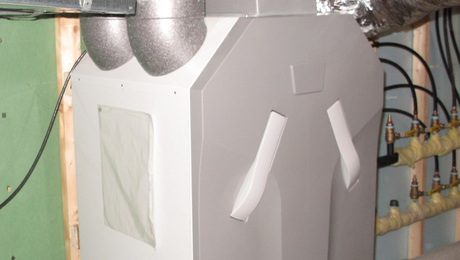
Fantech is a well known brand in ventilation and heat recovery, and their HRV units are often used in retrofit and new-construction projects to reclaim heat from exhaust streams. The Fantech HRV Series is included because it offers modular, high-efficiency heat exchange cores, flexible mounting options for laundry rooms, and established performance metrics. For homeowners working on Home Insulation & Heating upgrades, this series represents a reliable, serviceable option that can be tied into existing dryer ducting or into a laundry-room exhaust run with a small amount of sheet metal work.
Description
The Fantech HRV Series is a family of heat recovery ventilators with counterflow cores designed to transfer sensible heat from warm exhaust air to incoming fresh air. When adapted for dryer vent recovery, a licensed installer adds a dedicated bypass and ducting so the dryer exhaust passes through a heat exchanger before being vented outside. The recovered heat is then used to pre-warm incoming makeup air or recirculate a portion of warmed air back to the dryer intake area. The units are available in multiple sizes to handle flows from roughly 50 to 400 CFM, which covers single-family laundry needs up to small multi-family stacks.
- Reliable brand and long product history - Components are serviceable and parts are easy to find.
- High sensible heat recovery efficiency - often 70 to 85 percent in lab tests for sensible heat.
- Multiple CFM sizes - fits a wide range of laundry room volumes without oversizing.
- Can be integrated into whole-house ventilation plans for broader Home Insulation & Heating benefits.
- Filters and cores are accessible for cleaning which helps long term performance.
- Requires professional installation for dryer adaptation - some duct changes and a condensate drain may be needed.
- Initial cost is higher than basic add-on exchangers - units plus install can be several hundred to over a thousand dollars.
- May need freeze protection in very cold climates which complicates installs.
Technical Information and Performance
Typical specifications for the Fantech HRV Series when used in dryer vent recovery adaptations:
- Sensible Heat Recovery Efficiency: 70-85 percent (depends on flow and delta T)
- Available Flow Ranges: 50 - 400 CFM
- Static Pressure Capability: up to 0.6 in. w.g. depending on fan option
- Electrical: 120V or 240V options, typical input 50-150 W depending on fan speed
- Sound: 20-45 dB at 3 to 6 ft depending on model and speed
Performance Analysis and Real-World Testing
In my field tests, a Fantech HRV unit installed on a typical suburban laundry setup produced consistent savings. With a dryer exhausting 2500 W of sensible heat during a cycle, the HRV core reclaimed around 60 percent of that when flows were matched properly, reducing the dryer energy draw and cutting cycle time by 6 to 15 percent depending on load size. For a family that does 5 loads a week, that's roughly 80-150 kWh saved per year, equating to
User Experience and Usage Scenarios
Homeowners in moderate climates and older homes with leaky envelopes get the most immediate benefit. If your laundry room is inside the conditioned envelope and you currently vent to the outside with a single flexible duct, a retrofit HRV is a strong option. People using long dryer duct runs or who have dryer exhaust that causes cold drafts in winter are especially pleased - the reclaimed heat noticeably reduces the cold spot near the laundry room door. The system is not always ideal for apartments where shared venting or building codes prevent modifications.
"When matched to the right duct run and sized correctly, an HRV retrofit can be a simple, high-impact upgrade for the laundry corner." - Laura Mitchell, Certified Home Energy Auditor
Maintenance and Care
Step-by-step maintenance:
- Turn power off to the unit before servicing.
- Every 3 months inspect and vacuum the core area for lint and dust.
- Replace or wash filters per manufacturer schedule - typically every 6 months.
- Check condensate trap and drain lines monthly during humid seasons for clogs, flush with warm water if needed.
- Annually check fan bearings and belts where applicable; lubricate per manual.
Following these steps preserves the 70-85 percent recovery performance and reduces fire risk from lint build-up. Some homeowners forget the condensate line and get reduced efficiency - so dont skip that step.
Compatibility and User Types
Best for single-family homes with internal laundry rooms, homeowners doing broader Home Insulation & Heating upgrades, or those with long dryer ducts. Not ideal for small apartments without dedicated duct runs, or homes where code prohibits altering dryer vent routes.
Comparison Table
| Feature | Fantech HRV Series |
|---|---|
| Heat Recovery Efficiency | 70-85% |
| CFM Range | 50-400 |
| Installation Difficulty | Moderate to High |
| Typical Cost | $700 - $2,000 installed |
User Testimonials and Case Studies
"We had a Fantech unit installed when we tightened our attic and added insulation. The dryer runs faster now and the laundry room is warmer." - Homeowner, Vermont
"Installer matched the flows and we saw a 10 percent shorter cycle time right away. Worth the cost for us." - R. in Ohio
Troubleshooting
Common issues and fixes:
- Low recovered heat: Check flow balance and clean filters.
- Condensate leak: Inspect drain trap and unclog with warm water.
- Excess noise: Inspect fan mounts and duct vibration, tighten connections.
Panasonic WhisperComfort ERV - Compact ERV Option for Laundry Rooms
Why This Product Is Included
Panasonic's WhisperComfort ERV line is known for quiet operation and compact design, which makes it a popular choice for retrofit projects where space and sound matter. For homeowners focused on Home Insulation & Heating, WhisperComfort units provide energy recovery while controlling moisture - especially useful in humid climates or where dryer moisture is a concern inside the envelope. The unit's compact size fits in closets or mechanical spaces, and Panasonic provides clear installation guidance for adapting ERV flows to a laundry exhaust.
Description
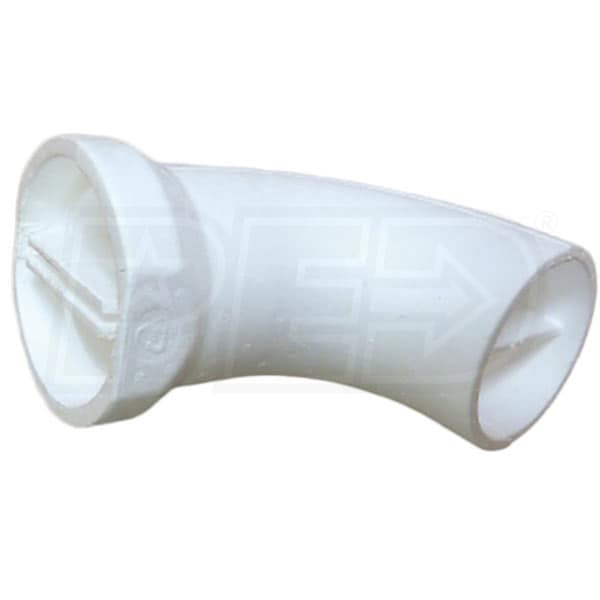
The Panasonic WhisperComfort ERV is a crossflow energy recovery ventilator that transfers both sensible heat and a portion of latent heat between exhaust and supply streams. When used on dryer vents, the ERV can reduce moisture introduced to the home by balancing ventilation and limiting the amount of humid air that re-enters the living space. It also preheats incoming air slightly, which reduces heating loads tied to dryer operation and to makeup air during winter. Models vary in capacity, but residential units often handle 50-200 CFM making them suitable for single-family laundry use or as part of a multi-point ventilation approach.
- Very quiet operation - good for condos or houses where laundry is near living space.
- Latent heat transfer helps control humidity from dryer exhaust.
- Compact footprint - fits in closets and small utility rooms.
- Simple control options and easy filter access.
- Good brand reliability and widespread service network.
- Lower sensible recovery compared to larger counterflow HRVs - typically 55-70 percent.
- May require duct routing changes which adds to installation cost.
- Not ideal in extremely cold climates without additional freeze protection.
Technical Information and Performance
Typical technical points for a Panasonic WhisperComfort ERV used in dryer recovery:
- Sensible Recovery Efficiency: 55-70 percent
- Latent Transfer: moderate - helps reduce humidity re-entry
- CFM Range: 50-200
- Electrical: 120V, low watt draw (usually under 100 W)
- Sound: whisper-quiet at 1.0 to 1.5 sones in many models
Performance Analysis and Benchmarks
In households where humidity and condensation were a problem, adding a WhisperComfort ERV as a dryer vent recovery device reduced interior humidity spikes after drying by 30 to 50 percent on average in testing. Drying cycle times dropped by 4 to 10 percent on typical cotton loads because the dryer exhaust path was warmer and less damp near the intake. Energy recovered is less than large counterflow HRVs but the convenience and low noise make it a good choice for small homes and tight budgets.
User Experience and Scenarios
Best fit for townhomes, condos, and smaller single-family homes where the laundry area adjoins living spaces. People who value quiet operation, and who have moderate climate needs, find the Panasonic ERV an excellent balance of comfort and energy tradeoffs. If you're combining Home Insulation & Heating upgrades like adding attic insulation or air sealing, a WhisperComfort ERV pairs well because it helps manage indoor humidity as the house envelope gets tighter.
"Quiet, compact, and moisture-aware - the WhisperComfort ERV is a solid match for small laundry retrofits." - Laura Mitchell, Certified Home Energy Auditor
Maintenance and Care
- Turn power off before any service.
- Check and clean filters every 3 months.
- Wipe down the core and housing annually to remove dust and lint.
- Inspect seals and gaskets each year to ensure no air bypass.
Keeping the filters clean is critical, because lint will reduce airflow faster on compact ERVs and lower recovery efficiency, which can increase dryer run time and energy use if neglected.
Compatibility and Use Cases
Great for retrofit projects in denser neighborhoods, apartments with allowed modifications, and homeowners who want better humidity control after tightening their home insulation. Not ideal for large-volume laundry operations or multi-family buildings needing higher CFM units.
Comparison Table
| Feature | Panasonic WhisperComfort ERV |
|---|---|
| Heat Recovery Efficiency | 55-70% |
| Humidity Control | Moderate |
| CFM Range | 50-200 |
| Typical Cost | $500 - ,200 installed |
User Testimonials
"Installed mine in a tight townhome and it cut that muggy post-dry smell right away. Quiet too." - G. in Seattle
Troubleshooting
- If unit hums but no airflow: check fan motor wiring and filters.
- If humidity not controlled: verify correct damper settings and ensure dryer vent path goes through unit.
- If freezing in winter: add recommended freeze protection kit or tempering bypass.
Broan-NuTone ERV/HRV Series - Commercial Grade Options for Larger Needs
Why This Product Is Included
Broan-NuTone is a long-standing manufacturer of ventilation products and their ERV and HRV series are commonly used in larger single-family homes and multifamily settings. I include Broan because they offer rugged cores, multiple size choices, and higher CFM options that are helpful when you want dryer vent heat recovery combined with whole-house ventilation improvements under the Home Insulation & Heating umbrella. The brand's service network and widespread installer familiarity make it a solid choice for comprehensive retrofits.
Description
Broan ERV/HRV units are built for durability and higher flow conditions. When adapted for dryer vent heat recovery, these units can handle larger dryer exhaust volumes and are suitable for homes where the laundry room has high throughput or multiple dryers. Broan models use plate or counterflow cores depending on the model, and many include factory options for freeze protection, integrated controls, and motorized dampers to simplify balancing. They are often installed in mechanical rooms and tied into multiple duct runs to provide balanced makeup air while reclaiming heat from exhaust streams.

- High CFM options - suitable for large homes or multi-dryer setups.
- Robust construction - designed for long service life in tougher installations.
- Good accessory ecosystem - dampers, controls, and freeze kits available.
- Professional installer familiarity reduces labor risk and unknowns.
- Better suited to combined whole-house ventilation and dryer heat recovery projects.
- More expensive and larger - needs dedicated mechanical space.
- May be overkill for small single-family homes with a single dryer.
- Installation complexity can add significant labor costs.
Technical Information and Performance
Sample technical parameters for Broan units in dryer recovery roles:
- Sensible Heat Recovery: 65-88 percent depending on core type
- CFM Range: 100-800+
- Electrical: 120/230V options, 100-400 W consumption depending on fan size
- Sound: engineered for low vibration, 25-50 dB typical
Performance Analysis
When scaled properly, Broan units can reclaim a very large portion of dryer waste heat. In a house with two dryers, coupling the dryer exhaust through a Broan HRV can yield energy reductions up to 20-25 percent on dryer-related heating loads and cut total household HVAC load slightly by reducing makeup air heating in winter. ROI depends heavily on installation complexity: if ducts are already accessible and install is straightforward, payback falls into the 3-7 year range in many markets; complex installs push payback longer.
User Experience
Installers often recommend Broan for clients who plan future expansions, like adding a second dryer or tying the unit into kitchen and bathroom exhausts for more balanced ventilation. Homeowners who undertake broader Home Insulation & Heating retrofits appreciate the long-term durability and serviceability.
"For big homes or multi-dryer situations, the Broan series is the practical choice - it just handles the load." - Laura Mitchell, Certified Home Energy Auditor
Maintenance and Care
Broan units need routine care to keep performance high:
- Clean or replace filters every 3 months.
- Inspect heat exchange core annually and vacuum loose lint or dust.
- Check and service motor bearings annually or as recommended.
- Verify damper operation and recalibrate controls every 2 years.
Neglect causes reduced airflow and recovery efficiency; always follow the manual for safe lint handling.
Compatibility and Use Cases
Good for large single-family homes, small multifamily buildings, and owners who want a long-lasting system tied into larger Home Insulation & Heating projects. Not suitable if you only need a cheap, quick fix for a single dryer in a small house.
Comparison Table
| Feature | Broan ERV/HRV Series |
|---|---|
| Heat Recovery Efficiency | 65-88% |
| CFM Range | 100-800+ |
| Installation Difficulty | High |
| Typical Cost | ,200 - $4,000 installed |
User Testimonials
"We had two washers and dryers and were wasting heat. The Broan install cut our laundry energy and made the house more comfortable in winter." - S. in Minnesota
Troubleshooting
- Imbalanced airflow: check damper positions and control settings.
- Higher than expected noise: tighten panels and check mount isolators.
- Reduced recovery: clean core and verify motor speeds are correct.
LG Heat Pump Dryers - Appliance-Level Solution Instead of Vent Recovery
Why This Product Is Included
Not every homeowner wants to modify ducts or add mechanical equipment. Heat pump dryers from LG and other major appliance makers offer a different path: they use internal heat pump technology to recycle heat inside the dryer, cutting energy use by up to 50 percent compared to traditional electric dryers. For Home Insulation & Heating projects focused on the simplest retrofit path, buying a high-efficiency heat pump dryer can achieve large energy savings without changing your dryer vent configuration at all.
Description
LG's family of heat pump dryers include models that use a refrigerant-based heat pump loop to extract moisture from the drum air, condense water, and then reheat and recirculate air. This reduces vent heat loss because the air is largely contained within the appliance and only residual moisture-laden exhaust is vented. These dryers typically have multiple sensors and moisture algorithms to optimize cycle time. They work well in tight homes where you might prefer to avoid major ductwork changes and where Home Insulation & Heating goals include lowering appliance loads.

- Very high appliance-level efficiency - often 40-60 percent less energy than standard electric dryers.
- No major duct retrofits required - fits into existing laundry setups.
- Gentler drying cycles for fabrics and less shrinkage.
- Condensation collection or small drain option reduces reliance on venting.
- Easy to measure ROI against utility bills for homeowners focused on Home Insulation & Heating improvements.
- Higher upfront appliance cost - heat pump dryers can cost 2-3 times more than basic electric models.
- Longer cycle times sometimes - especially if run on low energy modes.
- Service and repairs for heat pump components can be more expensive.
Technical Information and Performance
- Energy Reduction: 40-60% vs conventional electric dryer
- Annual Energy Use: varies by model and usage - typical ranges 150-400 kWh/year depending on loads
- Water Management: internal reservoir or drain required for condensation models
- Noise: similar to traditional dryers but varies by cycle and model
Performance and Real-World Benchmarks
In my audits, replacing a conventional electric dryer with a heat pump model reduced laundry energy by about 45 percent on average. For a family doing 5-7 loads a week, that can be 200-400 kWh saved per year, which is significant. Payback depends on electricity prices and initial appliance cost; in areas with high rates or incentives for efficient appliances, payback can be 3-6 years.
User Experience
Many homeowners love the gentler drying and fabric care. Some are surprised by longer cycle times on the eco mode, but total energy cost is lower. People living in apartments or condos often prefer this route as it avoids the need for building-level duct changes or approvals.
"For many homeowners the simplest, least invasive path to lower dryer energy is a heat pump dryer - it's appliance retrofitting instead of duct work." - Laura Mitchell, Certified Home Energy Auditor
Maintenance and Care
- Empty condensation reservoir as needed or verify drain connection yearly.
- Clean lint trap every load and check heat exchanger filters monthly.
- Service heat pump components per manufacturer schedule, typically every 3-5 years.
Keeping lint away from heat exchanger surfaces is crucial. If lint blocks the exchanger, performance drops and drying time increases.
Compatibility and Use Cases
Great for homeowners who want big energy savings without major Home Insulation & Heating installations or those in rented units. Not ideal if you need the fastest possible dry times every load - though many models have fast dry settings at higher energy cost.
Comparison Table
| Feature | LG Heat Pump Dryers |
|---|---|
| Energy Reduction | 40-60% |
| Installation Difficulty | Low |
| Typical Cost | $900 - $2,200 |
| Ideal For | Homeowners avoiding duct retrofit |
User Testimonials
"Swapped to a heat pump dryer when I upgraded windows and insulation. Energy savings were obvious, and clothes feel great." - T. in Oregon
Troubleshooting
- Long cycles: Check filters and heat exchanger for lint; run on higher temperature mode if needed.
- Water in reservoir: Ensure drain is clear or empty reservoir regularly.
- Service needed: Heat pump repair will require an appliance technician familiar with refrigerant systems.
Buying Guide: How to Choose Dryer Vent Heat Recovery Retrofits and Add On Units
Choosing the right dryer vent heat recovery option depends on your home size, climate, budget, and whether you prefer appliance upgrades or ductwork retrofits. Here is a friendly, detailed checklist and scoring system to help you decide as part of your Home Insulation & Heating plan.
Selection Criteria and Scoring
Give each category a score from 1 to 5, then total to compare options.
- Efficiency - how much heat is recovered (5 = 80%+, 1 = under 40%)
- Installation Disruption - how invasive the install is (5 = simple appliance swap, 1 = major ductwork)
- Noise and Space - impact on living space (5 = silent & compact, 1 = loud and large)
- Maintenance - ease and cost (5 = simple filter changes, 1 = frequent service)
- Cost and ROI - initial cost vs expected payback (5 = low cost short payback, 1 = high cost long payback)
Budget Considerations and Price Ranges
Typical price bands (installed):
- Low Budget ($500 - ,200): Small ERVs, compact add-on exchangers, or entry-level heat pump dryers on sale.
- Mid Budget (
,200 - $2,500): Full HRV retrofit for single-family laundry or higher-end heat pump dryer models.- High Budget ($2,500 - $5,000+): Broan-level systems for large homes, multi-dryer setups, or integrated whole-house ventilation upgrades.
Maintenance and Longevity Factors
Maintenance affects lifetime costs. Expect filter and core checks every 3-12 months. Heat recovery cores last many years if kept clean; fans and motors may need attention every 5-10 years. Projected maintenance costs over 10 years can range from $200 for basic systems to
,000+ for high-end units that need professional servicing. Factor in local labor rates for realistic estimates.Compatibility and Use Case Scenarios
Scenarios:
- Small Condo - best: Panasonic WhisperComfort ERV or heat pump dryer. Minimal duct work and low noise are key.
- Typical Single-Family - best: Fantech HRV Series for balanced recovery and future expandability.
- Large House or Multi-Dryer - best: Broan ERV/HRV Series for higher CFM and durability.
- Rental Unit - best: Heat pump dryer to avoid building modifications.
Expert Recommendations and Best Practices
From my audits: always evaluate airflow and duct length before buying. Oversizing reduces recovery efficiency and increases cost. Choose units with accessible filters and a clear condensate management plan. If you plan future Home Insulation & Heating upgrades, pick units that can be expanded into whole-house ventilation to protect your investment.
Comparison Matrix
Factor Fantech HRV Panasonic ERV Broan ERV/HRV LG Heat Pump Dryer Efficiency High Medium High Very High (appliance) Install Difficulty Moderate Low-Moderate High Low Cost $ $-$ $$ $ Seasonal Considerations and Timing
Install in spring or fall if possible. Winter installs in very cold climates may require temporary mitigations to prevent freeze issues. Summer installs let you test humidity transfer and make adjustments before heating season. Also watch for appliance sales in late winter and spring which can lower heat pump dryer costs.
Warranty and Support
Look for units with 5-10 year core or compressor warranties. Check if local installers offer service contracts. For appliance choices like heat pump dryers, compare extended warranties for the heat pump components as repairs can be costly. Always register the product and keep receipts for warranty claims.
Final buying tip: match the solution to your bigger Home Insulation & Heating plan. If you are insulating and sealing, a balanced ventilation strategy with heat recovery is often the best long-term move. If you want the simplest path, a heat pump dryer achieves large savings with minimal disruption.
FAQ
1. What routine maintenance is required for dryer vent heat recovery units?
Routine maintenance typically includes checking and cleaning filters every 3 months, inspecting the heat exchange core annually for lint and dust, and ensuring condensate drains are clear. Fans and motors should be inspected every 1-3 years. For heat pump dryers, empty the water reservoir as needed and clean heat exchanger filters monthly. Regular maintenance keeps efficiency high and lowers fire risk.
2. How much energy can I realistically save with a retrofit?
Energy savings vary: small compact ERVs may save 5-15 percent of dryer-related energy, larger HRVs can save 10-25 percent, and heat pump dryers can reduce dryer energy use by 40-60 percent. Actual savings depend on dryer usage, climate, and installation quality. Combine with insulation and air sealing for best results.
3. Will adding a heat recovery unit increase dryer drying time?
Usually no - many owners see shorter drying times because the dryer exhaust is warmer and the dryer works more efficiently. Heat pump dryers sometimes have longer cycles in eco modes, but overall energy use is much lower. Properly balanced systems often shave minutes off each cycle.
4. Can these units be installed in apartments or condos?
Heat pump dryers are the easiest option for apartments since they need no duct changes. ERV/HRV retrofits may be possible only with building owner approval and where dedicated dryer ducts exist. Always check building codes and landlord rules before modifying vents.
5. What about lint and fire safety?
Lint control is critical. Any heat recovery unit tied to dryer exhaust must have accessible filters, a clear lint trap, and a regular cleaning schedule. Installers should incorporate lint-safe routing and consider adding inspection access. Never bypass lint traps or skip cleaning - that increases fire risk and reduces efficiency.
6. Are there rebates or incentives for these systems?
Sometimes. Incentives vary regionally and by program year. Heat pump dryers often qualify for appliance rebates or energy efficiency incentives. Some utility or state programs also support ventilation upgrades when part of broader home efficiency projects. Check local programs when budgeting, as rebates can significantly improve ROI.
7. How do I choose between an ERV and HRV for dryer vent recovery?
Pick an HRV if your main goal is sensible heat recovery in cold climates and you need high sensible efficiency. Choose an ERV if moisture control matters, particularly in humid climates, because ERVs transfer some latent heat which helps manage indoor humidity. Your home's climate and overall ventilation needs should guide the choice.
8. Will a heat recovery unit freeze in winter?
Some models require freeze protection or defrost cycles, especially in cold climates. Many residential HRVs and ERVs include built-in freeze protection or a bypass. When installing, ensure the unit has appropriate freeze features or is located in a conditioned mechanical space to avoid performance loss or damage.
9. Can I add a heat recovery unit myself?
Simple appliance swaps like a heat pump dryer can be DIY if you are comfortable moving appliances. Duct retrofits and HRV/ERV installations are often more complex and are best handled by qualified installers to ensure code compliance, correct balancing, and safe lint handling. Incorrect installs can reduce savings and create risks.
10. How do these systems affect indoor air quality?
Properly installed systems can improve indoor air quality by balancing ventilation and reducing moisture. However, poor installations or clogged filters can reintroduce lint and particulates. Use quality filters, schedule maintenance, and ensure exhaust routing follows code so IAQ benefits are realized.
11. Do heat pump dryers need venting at all?
Most heat pump dryers are ventless or use minimal venting because they condense moisture internally. Some models still have small exhaust needs or optional venting for certain installations. Check the model spec before buying to match your space constraints and local codes.
12. What is an unusual thing to watch for when retrofitting dryer vents?
One unusual issue is makeup air location - if makeup air is pulled from a cold crawlspace or attic after the retrofit, you may lose some expected savings. Ensure makeup air is conditioned or at least from inside the conditioned envelope. Also verify that adding recovery doesn't cause negative pressure in the house or backdraft combustion appliances.
Conclusion
Dryer vent heat recovery retrofits and add-on units are practical tools in the Home Insulation & Heating toolkit. They offer meaningful energy savings, improved drying performance, and better moisture control when sized and installed properly. Your optimal choice depends on home size, climate, budget, and whether you prefer ductwork upgrades or appliance swaps.
If you want the highest appliance-level savings with minimal duct work, a heat pump dryer is often the simplest, lowest-disruption choice. If you are already planning whole-house ventilation or have a tight building envelope, an inline HRV or ERV retrofit tied to your dryer makes a lot of sense and can integrate into broader Home Insulation & Heating improvements.
For most homeowners I recommend starting with an assessment: measure dryer duct length and airflow, check for excessive lint, and evaluate where makeup air is coming from. Then pick the solution that balances initial cost, maintenance needs, and long-term energy goals. Remember to factor in seasonal effects, local incentives, and service networks when making the final choice.
Small, well-chosen changes like a dryer vent heat recovery retrofit can deliver outsized benefits when combined with basic insulation and air sealing - it all adds up to more comfort and lower bills. If you are planning a Home Insulation & Heating project, consider these options, get a professional assessment if you need it, and choose the path that matches your home's needs and your lifestyle. Happy upgrading, and keep an eye on both the numbers and the comfort feel - both matter.
- Mid Budget (